




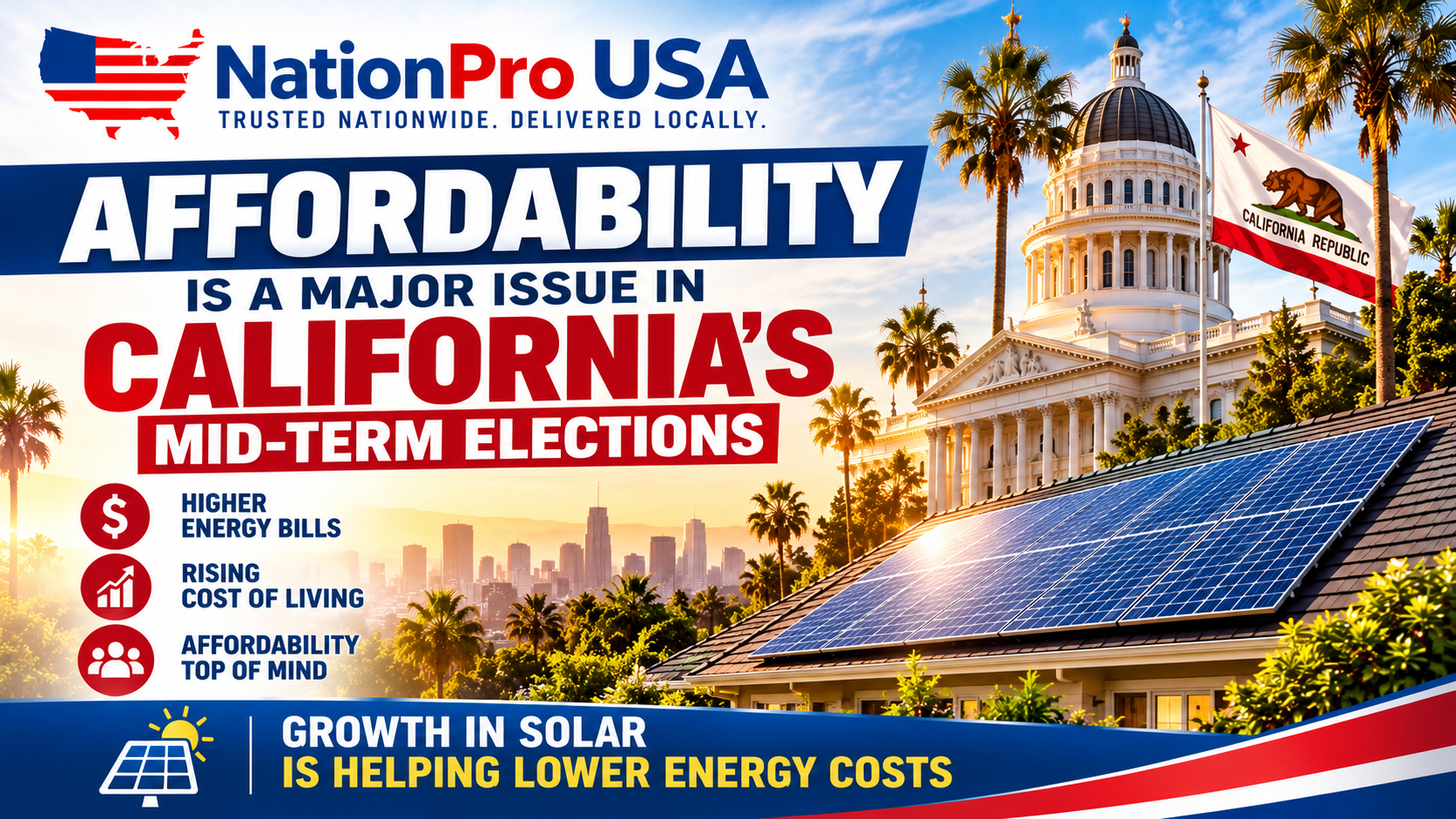
New research from the Solar Energy Industries Association finds California's summer wholesale electricity prices fell 51% between 2021 and 2026 as solar generation and battery capacity expanded—yet residential bills still increased.
The short answer: Why did California bills rise if power got cheaper?
Wholesale electricity is only one part of a residential electric bill. The SEIA analysis found lower summer generation prices, but increased transmission, distribution and other utility expenses contributed to higher overall residential bills. Rooftop solar can help reduce the electricity a homeowner buys; the actual benefit depends on the home's utility tariff, system price and energy use.
Key findings from the October 2026 SEIA analysis
| Metric | Change | Period |
|---|---|---|
| Average summer wholesale price | −51% | 2021–2026, inflation-adjusted |
| Estimated avoided wholesale costs | $2.5B | Summer 2026 vs. 2021 conditions |
| Summer solar generation | +90% | Growth from 2021 to 2026 |
| Battery storage capacity | ~7× | Growth from 2021 to 2026 |
Energy Affordability Becomes a Major California Concern
As the November 2026 midterm elections approach, energy affordability has become part of the broader discussion about household costs. California homeowners in particular continue to face high electricity bills for air conditioning, lighting, appliances and electric vehicle charging.
Against that backdrop, new analysis released by the Solar Energy Industries Association (SEIA), republished by CleanTechnica, points to a different trend in the wholesale electricity market: prices were substantially lower in summer 2026 than in summer 2021 even though demand was higher.
SEIA attributes an important part of this change to the growth of solar generation and energy storage. The report estimates approximately $2.5 billion in avoided wholesale electricity costs in California for June through August 2026 relative to summer 2021 market conditions. This is a market-level estimate—not the sum of verified savings on individual homeowner bills.
California Solar and Battery Growth Is Making a Measurable Difference
SEIA compared weighted average hourly wholesale prices during June, July and August in 2021 and 2026 using inflation-adjusted 2026 dollars. California's reported average fell from $77.54 per megawatt-hour (MWh) to $38.32/MWh, a decline of approximately 51%.
California Summer Wholesale Electricity Prices
SEIA comparison: June–August average wholesale price, inflation-adjusted to 2026 dollars.
| Period | Average price per MWh |
|---|---|
| Summer 2021 | $77.54 |
| Summer 2026 | $38.32 |
Source: SEIA analysis released October 22, 2026. This comparison covers wholesale prices, not residential customer bills.
Electricity consumption increased approximately 2.5% over the comparison period. At the same time, summer solar generation rose about 90%, while battery storage capacity expanded to nearly seven times its 2021 level.
Solar generation contributes more electricity during sunny hours. Batteries can absorb available electricity and supply it later, including periods of higher evening demand. Both can reduce the need to dispatch more expensive generation sources during certain hours.
Important research distinction: The analysis associates the expansion of solar and storage with falling wholesale prices. Weather, natural gas prices, market conditions and other supply changes also affect electricity prices. The 51% change should not be presented as a household bill discount caused solely by solar.
Why Are California Utility Bills Still Increasing?
The report highlights a frustrating contrast for homeowners: lower wholesale electricity prices did not translate into lower overall residential bills.
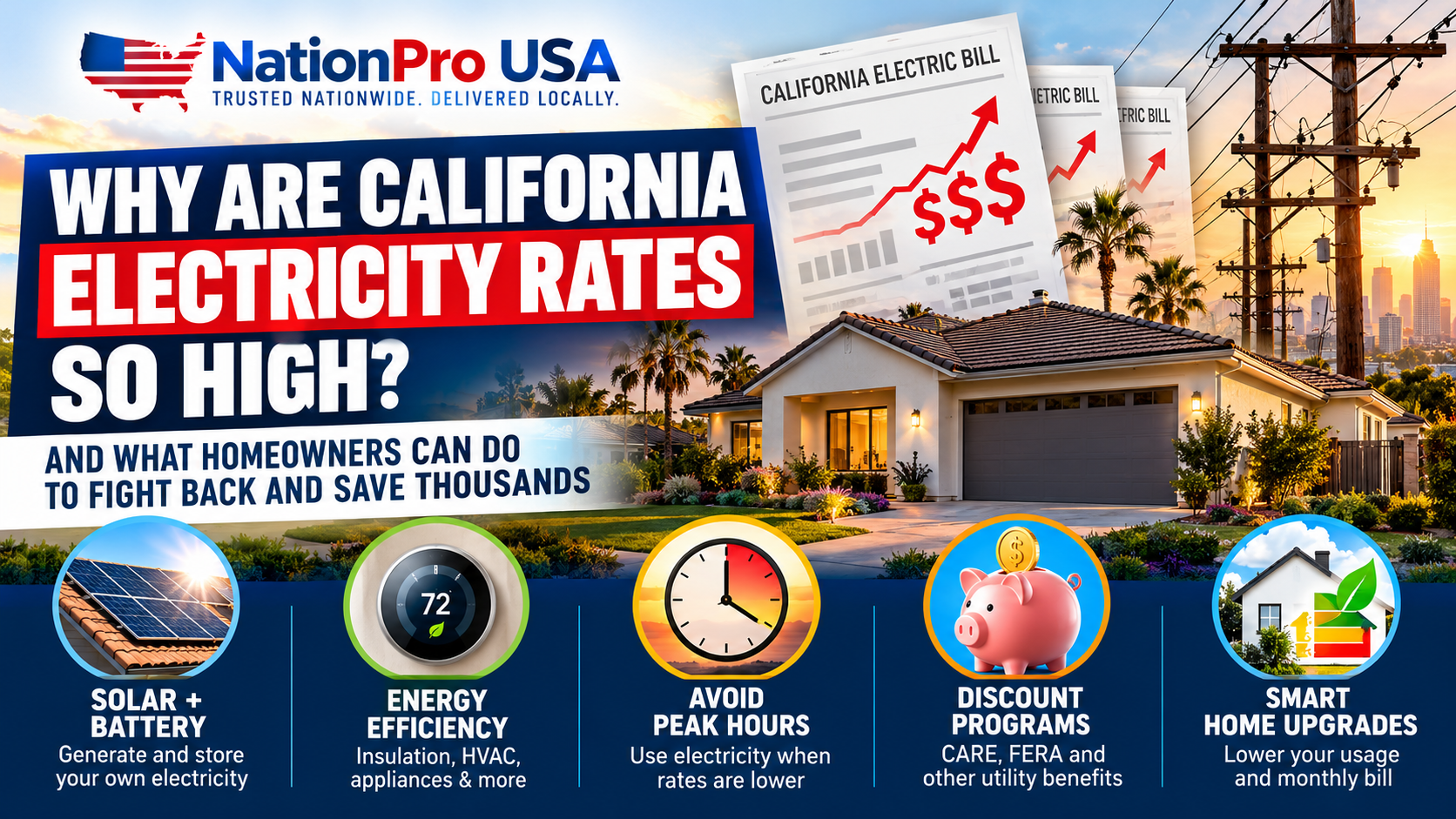
According to SEIA's comparison of summer 2021 and 2026, California's residential generation costs declined by approximately 10%, while overall residential electricity bills increased approximately 22%.
Household electric bills include more than the wholesale price of electricity. Utilities also recover approved expenses related to transmission lines, distribution networks, grid modernization, system maintenance and wildfire safety and liability. Those expenses can rise even when wholesale generation costs decline.
What became cheaper?
Wholesale generation: California's reported summer market price declined 51% in the SEIA comparison. The residential generation cost component also declined about 10%.
Statewide market estimates; not a customer-specific rate reduction.
What continued adding costs?
Delivering electricity: Grid investments, distribution service, transmission and wildfire-related expenditures can contribute to retail bill increases.
The mix and amount depend on utility, tariffs and regulatory decisions.
This is why the wildfire-related costs explained in NationPro's California electricity guide are relevant even when wholesale markets improve. Lower power-plant generation costs can benefit the system, but do not automatically offset every other category on a residential bill.
Why Rooftop Solar Gives Homeowners Another Way to Manage Energy Costs
Utility-scale solar and storage can influence wholesale markets across California. Rooftop solar works at the household level: it generates electricity on the property, which can reduce purchases from the grid when production and demand overlap.
For a homeowner with suitable roof space and an appropriate system design, solar may help serve air conditioning, appliances, electronics and some EV charging during daylight hours. Its savings depend on the actual installed price, household demand, electricity tariffs, solar production and financing.
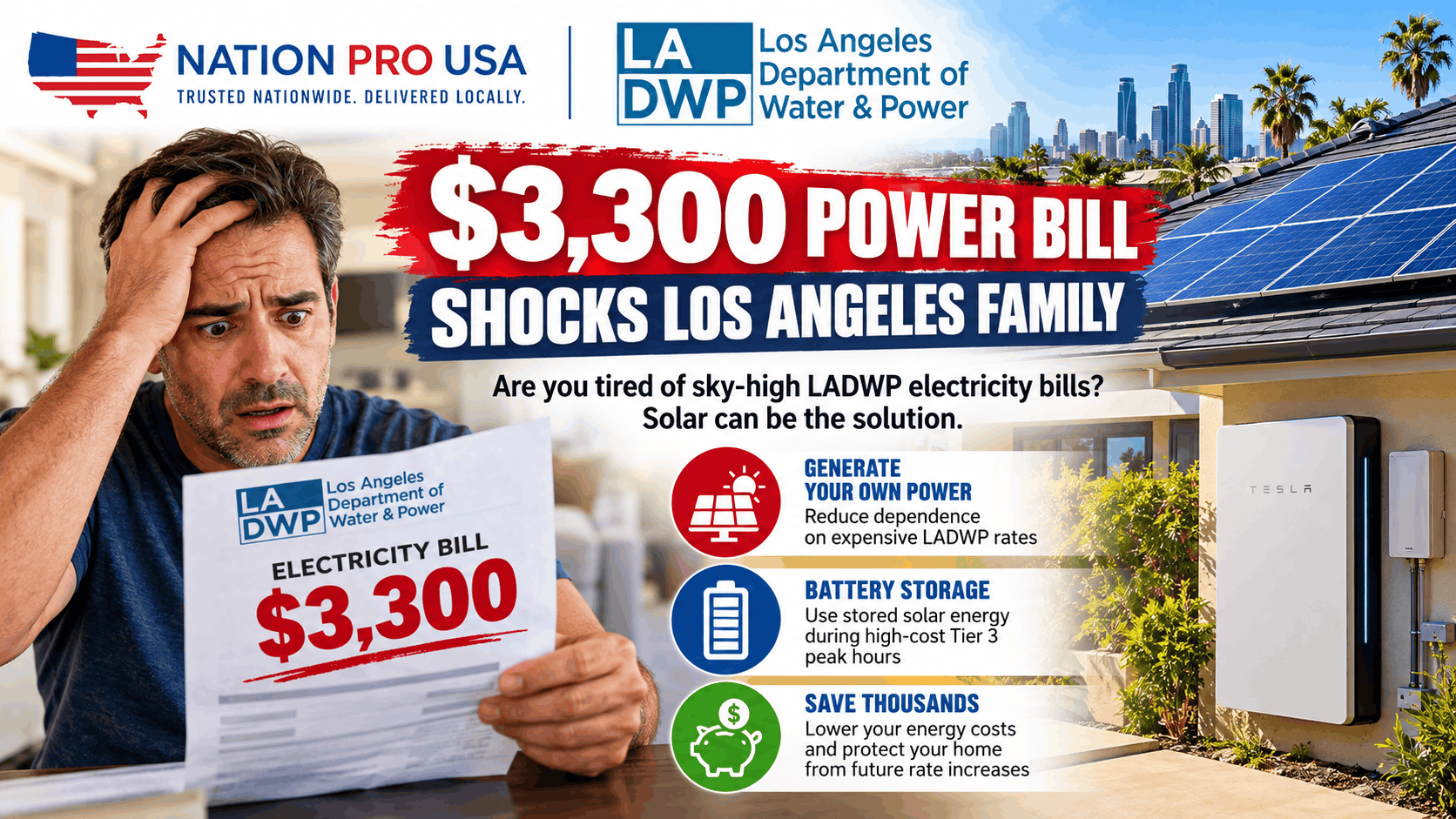
A battery can store some excess production for use later. This can help a home reduce selected evening grid purchases, manage Time-of-Use pricing or maintain electricity for designated circuits during an outage if the system includes suitable backup equipment.
California's Net Billing Tariff generally values solar exports differently from retail electricity purchases for qualifying new PG&E, SCE and SDG&E systems. That makes self-consumption, battery dispatch and the home's rate plan important to any solar estimate.
To explore the technology, see NationPro's solar and home battery storage guide.
Grid-Level Savings and Homeowner Savings Are Different
The statewide and household benefits are complementary, but they must not be confused.
Across California's grid
Additional solar and battery capacity can reduce reliance on expensive generation at some times and help moderate wholesale electricity prices.
SEIA's $2.5 billion estimate refers to avoided wholesale costs during summer 2026 versus 2021 conditions.
At an individual home
Solar and storage can change the quantity and timing of electricity purchased from the utility. Homeowner economics depend on property-specific system costs, tariff rules and usage patterns.
A roof-mounted system does not eliminate all utility charges or guarantee a specific payback.
What the 2026 Affordability Debate Means for Homeowners
With electricity expenses attracting more attention ahead of the November midterms, SEIA's findings contribute evidence to the discussion about what influences energy costs. The report illustrates that adding solar and storage can coincide with materially lower wholesale prices, even as statewide consumption rises.
But electricity affordability also depends on the cost of delivering power safely and reliably. Homeowners cannot control statewide grid budgets, so their immediate options are more practical: review the household's utility rate plan, reduce unnecessary electricity demand, shift some use away from costly peak hours, and evaluate solar or battery storage where the economics support an investment.
Efficiency can come first. Better insulation, air sealing, thermostat schedules and properly sized HVAC equipment may lower the energy a home needs. NationPro's California home efficiency guide explains how those improvements fit alongside solar.
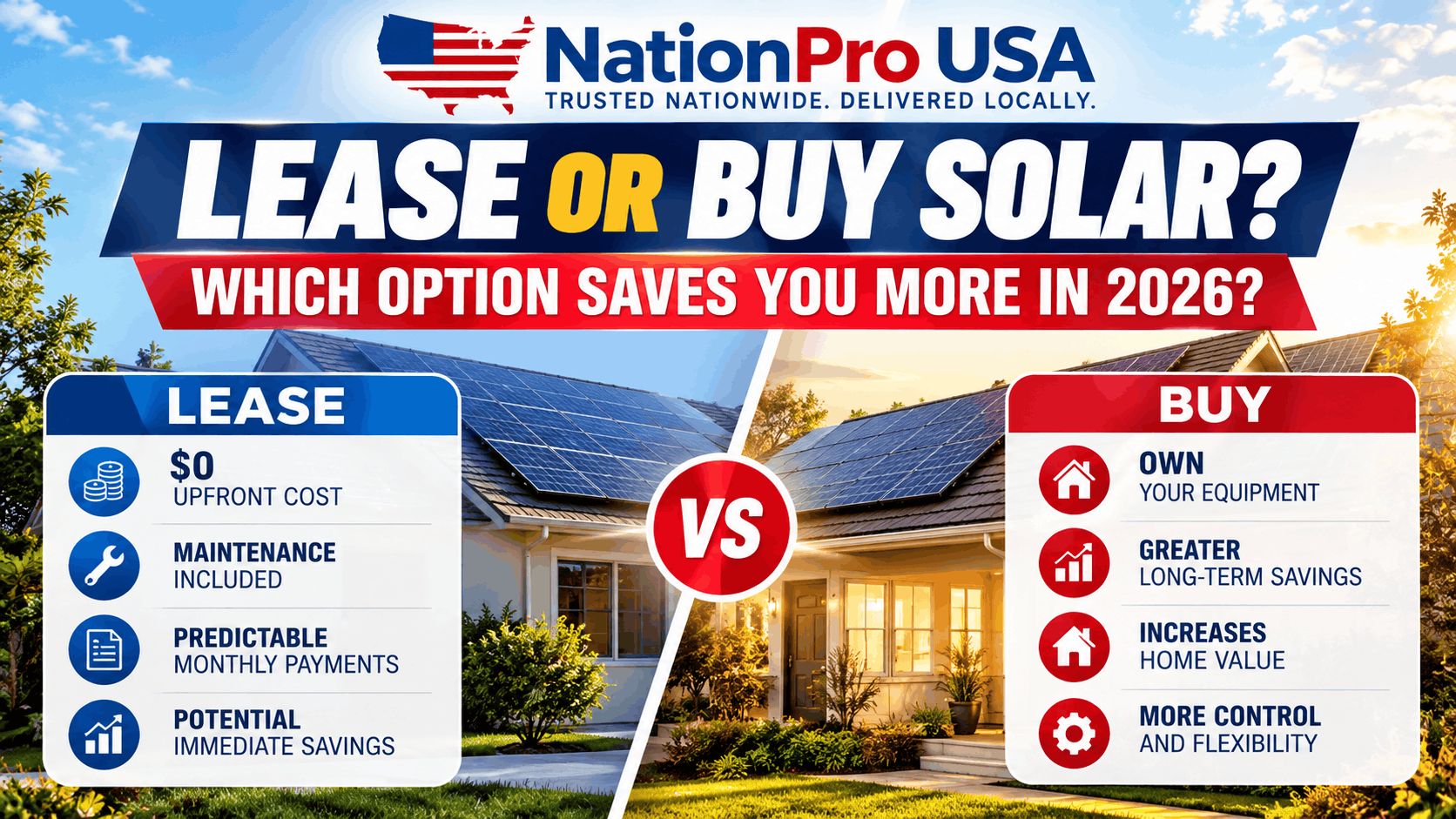
Financing also matters. Cash ownership, solar loans, leases and power purchase agreements can have very different lifetime costs and transfer obligations. Compare the options in NationPro's 2026 solar lease-versus-buy guide.
What About the Federal 30% Homeowner Solar Credit in 2026?
For qualifying new residential solar and battery installations completed in 2026, the former federal Section 25D homeowner credit is no longer available. The IRS confirms the credit does not apply to eligible expenditures made after December 31, 2025. New financial projections should not subtract the former 30% homeowner credit. Read NationPro's California solar after the federal tax credit guide for details.
NationPro USA: Helping California Homeowners Compare Their Energy Options
At NationPro USA, the goal is to give homeowners clear information about the potential role of solar, battery storage and efficiency improvements in their long-term energy plans.
A useful assessment starts with utility billing history, household electricity consumption, roof suitability, expected solar production, battery needs and full project pricing. The right recommendation can differ for homes served by PG&E, Southern California Edison, SDG&E or a municipal utility.
SEIA's October 2026 research is an important reminder that solar and storage can affect electricity costs at the statewide level. For a household, the next step is to review how those technologies would operate—and what they would cost—at that specific property.
California Solar, Storage and Electricity Cost FAQs
Did California wholesale electricity prices fall 51% in 2026?
Did solar and batteries save California homeowners $2.5 billion?
Why are California electricity bills rising if wholesale prices are falling?
Can rooftop solar reduce California electric bills?
Does a home battery help with California peak electricity rates?
Can solar panels provide electricity during a power outage?
Is the federal 30% homeowner solar tax credit available in 2026?
Sources & Research Context
Main research: SEIA's October 22, 2026 release, republished by CleanTechnica. Context: California Public Utilities Commission — Net Billing; IRS — Residential Clean Energy Credit. Data are SEIA estimates for the periods identified and are not individual savings guarantees.
Find Out What Solar Could Mean for Your California Home
Review your utility rates, electricity usage, solar potential and battery options with NationPro USA. Compare the total installed cost and realistic benefits before making a decision.
Get My Free Solar & Battery Assessment
Savings and eligibility vary. No guaranteed bill reduction or payback period. NationPro USA is not affiliated with SEIA or California utility regulators.