

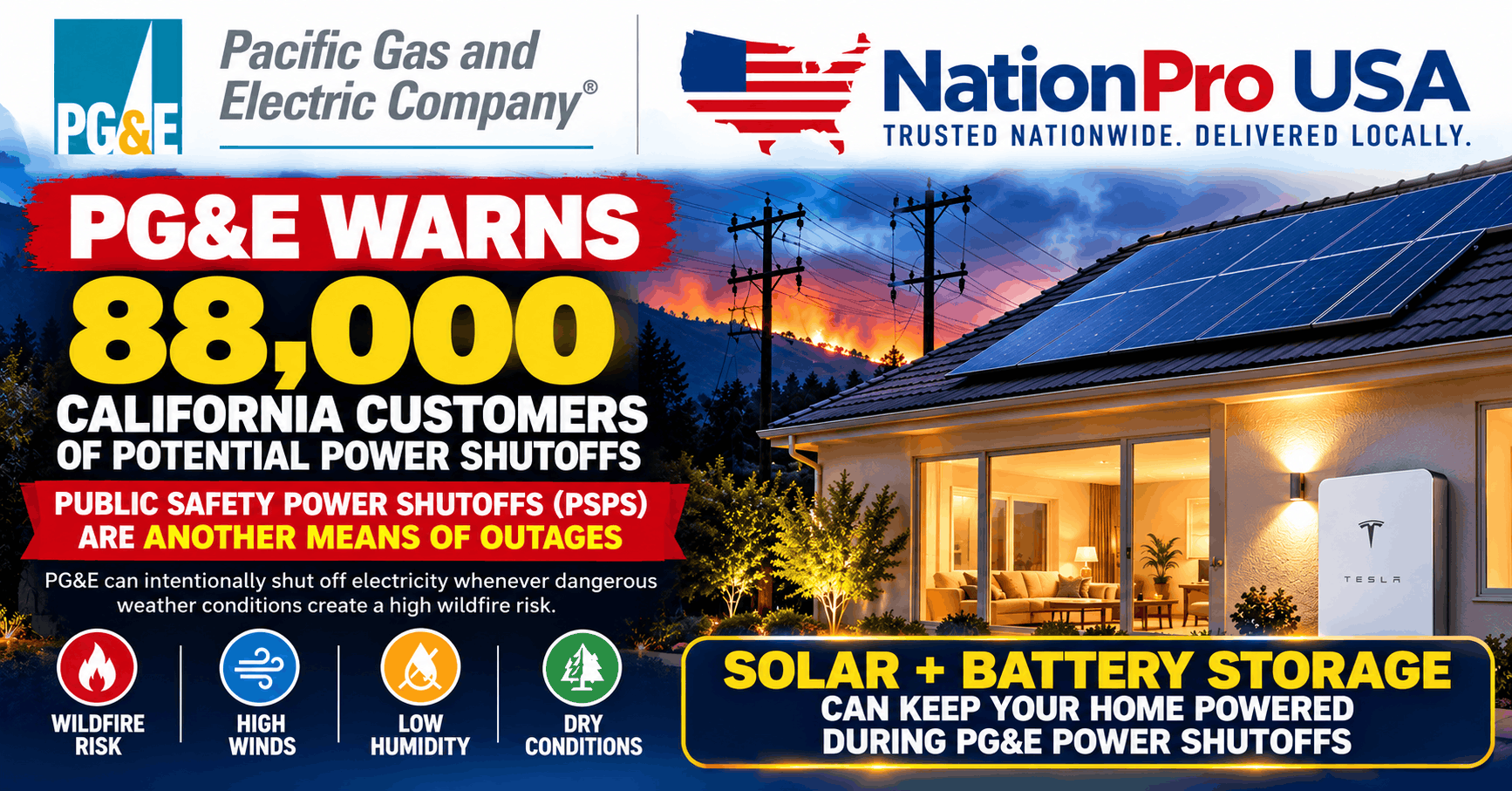
PG&E's October 2026 Public Safety Power Shutoff provides a clear example of why California homeowners in wildfire-prone areas are paying closer attention to home battery backup.
On October 14, PG&E initially placed approximately 88,000 customers across 29 counties in scope for a possible Public Safety Power Shutoff as high winds and dry conditions increased wildfire risk.
By the morning of October 16, PG&E reported that 85,905 customers had been de-energized during the event.
The affected areas included communities in Calaveras, El Dorado, Madera, Tuolumne, Placer, San Luis Obispo and many other counties across Northern and Central California.
The event also included thousands of customers enrolled in PG&E's Medical Baseline program.
PG&E later reported that the dangerous weather had passed for most affected areas and crews were inspecting power lines and equipment as service restoration progressed.
The event is a reminder that an outage does not always begin because something on the electrical grid has already failed.
During dangerous wildfire conditions, PG&E can intentionally de-energize selected circuits to reduce ignition risk.
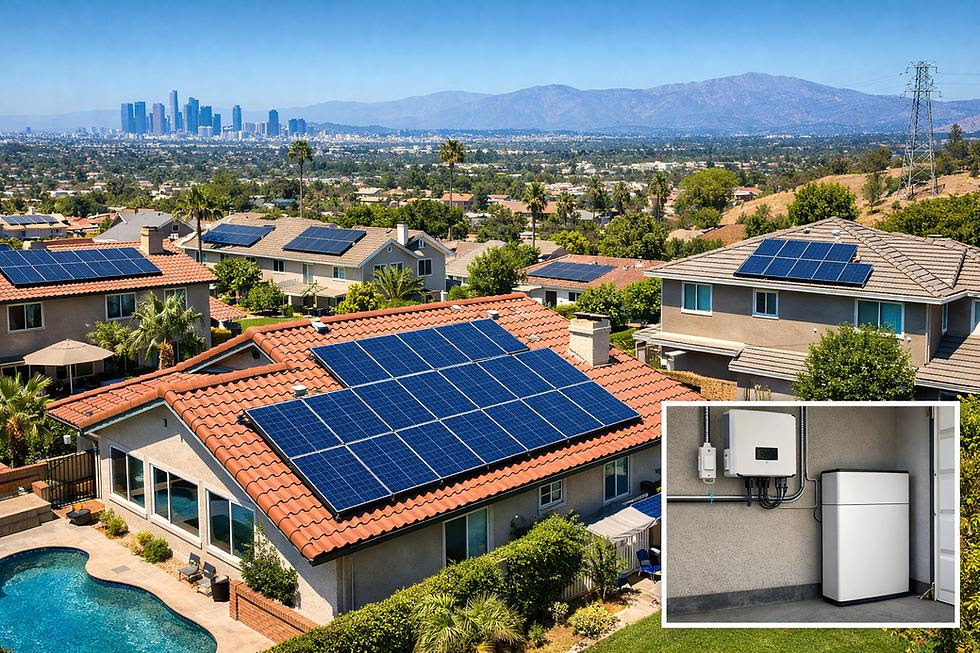
Solar panels alone normally do not provide home backup during a grid outage. To keep selected household loads operating, the solar system needs compatible storage, inverter and backup equipment configured for off-grid operation.
What Is a PG&E Public Safety Power Shutoff?
A Public Safety Power Shutoff, commonly called a PSPS, is a planned power interruption used when weather and wildfire conditions create a heightened risk that energized electrical equipment could start a fire.
Factors can include:
- strong winds
- very dry vegetation
- low humidity
- Red Flag conditions
- local fire risk
- the condition and location of electrical equipment
The utility may de-energize selected lines before equipment has actually failed.
PG&E says conditions are monitored continuously and the scope of a PSPS can expand, shrink or change as forecasts change.
Why Power May Stay Off After the Wind Dies Down
Power does not necessarily return as soon as dangerous weather ends.
PG&E crews may need to inspect affected power lines and electrical equipment before safely re-energizing them.
Damage found during those patrols may also require repair.
That means homeowners should prepare for the possibility that a PSPS lasts longer than the period of strongest winds.
Which Areas Were Hit Hardest During the October 2026 PSPS?
PG&E's October 16 event update reported the following customer counts among some of the largest affected counties:
| County | Customers De-Energized |
|---|---|
| Calaveras | 10,793 |
| San Luis Obispo | 8,771 |
| El Dorado | 8,757 |
| Madera | 7,273 |
| Tuolumne | 7,248 |
| Placer | 5,306 |
| Alameda | 4,705 |
| Amador | 4,557 |
PG&E reported a total of 85,905 customers de-energized across the event.
Why Rooftop Solar Alone Usually Does Not Keep the House Running
This is one of the most commonly misunderstood parts of residential solar.
A homeowner can have a roof covered in solar panels and still lose electricity during a utility outage.
Most standard grid-connected photovoltaic systems are designed to stop supplying power when the utility grid goes down.
This protects utility personnel from electricity being sent back onto lines they may be inspecting or repairing.
The U.S. Department of Energy explains that residential solar alone generally cannot provide outage resilience without the inverter and storage configuration needed to operate independently from the grid.
Sunny weather does not automatically mean a solar-only home will have electricity during a PSPS. The system needs compatible backup equipment that can isolate the home from the utility grid.
How Solar and Battery Storage Work Together During an Outage
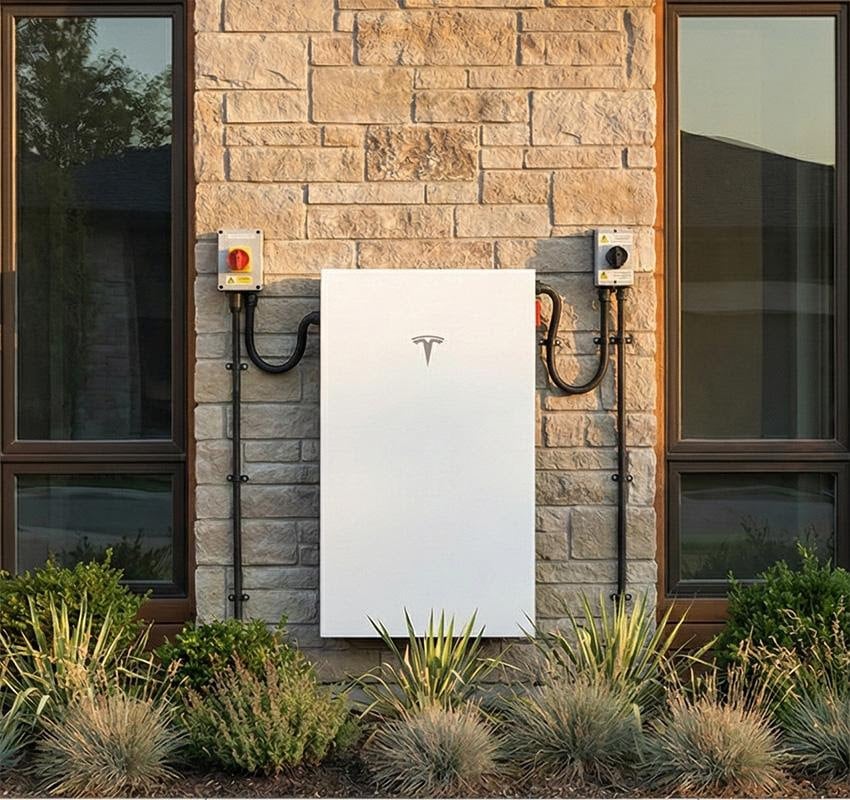
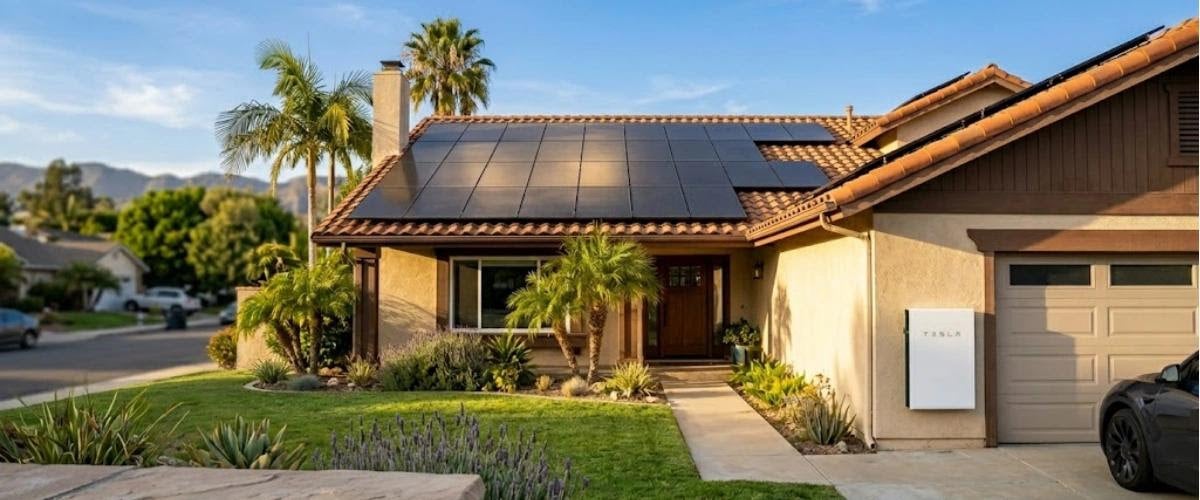
A properly configured solar-plus-battery system works differently from conventional solar-only equipment.
Solar Produces Electricity
During daylight hours, rooftop panels can supply household loads and charge compatible battery storage when enough solar production is available.
The Battery Stores Energy
Available solar electricity can be stored for use after sunset or reserved for outage backup according to system settings.
The Grid Goes Down
Compatible backup equipment isolates the home's backed-up electrical system from PG&E so power is not sent onto utility lines.
The Battery Supplies Backup Loads
Stored energy can power the circuits included in the backup design, subject to battery charge, capacity and inverter output.
Can Solar Recharge the Battery While PG&E Power Is Off?
With compatible solar-plus-storage equipment, it can.
During daylight, the solar system may continue producing electricity while the home is operating independently from the utility grid.
Solar electricity can serve household loads and recharge the battery when generation exceeds the home's immediate demand and the battery has available capacity.
This can extend backup duration during a multi-day outage.
It does not create unlimited backup power.
Overnight electricity use, cloudy weather, system size, battery capacity and large electrical loads all affect how long the home can operate.
How Long Can a Home Battery Last During a PG&E Shutoff?
There is no single backup-duration number for every home.
Runtime depends on:
- battery usable capacity
- battery state of charge when the outage begins
- number of batteries
- household electricity consumption
- which circuits are backed up
- air-conditioning use
- electric heating
- EV charging
- solar production during the outage
- weather conditions
PG&E notes that many residential battery installations are configured to back up selected rooms and appliances rather than every load in the house.
Large Electrical Loads Can Drain a Battery Quickly
Refrigerators, lights, internet equipment and electronics use far less power than some of the home's largest electrical appliances.
Loads such as:
- central air conditioning
- electric resistance heating
- electric water heating
- pool equipment
- electric dryers
- electric vehicle charging
can consume stored battery energy much faster.
A backup design should therefore identify which loads actually need to remain powered rather than assuming every appliance must run normally during a PSPS.
Whole-Home Backup vs. Selected-Load Backup
Homeowners can encounter two broad backup approaches.
| Backup Design | How It Works | What to Consider |
|---|---|---|
| Selected-load backup | Only designated circuits receive battery power during the outage. | Can reserve stored energy for refrigeration, lights, internet and other selected loads. |
| Whole-home backup | The battery system is designed to support the broader household electrical panel. | May require greater battery capacity and output, especially when the home has large electrical loads. |
The right design depends on what the household wants to operate when utility power is unavailable.
Battery Backup Is More Than an Outage Product
A home battery does not need to sit unused while waiting for the next PSPS.
Depending on the utility rate plan and battery settings, storage may also be used during normal grid operation.
PG&E itself describes several common battery operating modes, including:
- backup reserve
- time-based bill management
- self-powered operation
- eligible grid-support programs
NationPro USA explains the broader role of storage in its home battery storage and solar guide .
Solar and Batteries Can Also Reduce PG&E Grid Purchases
Backup capability is only one side of a solar-plus-storage project.
During normal operation, rooftop solar can supply part of the home's electricity instead of purchasing every kilowatt-hour from PG&E.
Battery storage can keep some available solar production for use later.
Depending on the home's rate plan and operating strategy, stored electricity may be used during higher-priced utility periods.
NationPro USA's California electricity rates guide provides additional context on current PG&E electricity costs.
More Than One Million PG&E Customers Already Have Solar
PG&E reached more than one million rooftop solar customers, showing how established residential solar has become across its service territory.
The next question for many homeowners is no longer simply whether they should install panels.
It is whether storage should be included so the home can use solar electricity later and maintain selected power during an outage.
NationPro USA discusses that milestone in its PG&E solar customer report .
Wildfire Risk Affects California Energy Costs Beyond the Outage Itself
Public Safety Power Shutoffs are one visible consequence of wildfire risk.
Utilities also spend heavily on vegetation management, grid hardening, covered conductors, undergrounding, weather monitoring and other wildfire-prevention work.
NationPro USA covers those broader cost pressures in its California wildfire costs and electricity rates guide .
Medical Baseline Customers Need More Than a Residential Battery Plan
PG&E initially reported that approximately 5,500 Medical Baseline customers were included in the scope of the October 2026 event.
PG&E provides additional PSPS alerts and support for Medical Baseline customers.
A home battery may provide useful backup electricity, but anyone who depends on life-sustaining electrical medical equipment should maintain an independent emergency plan.
Battery charge can be depleted, equipment can malfunction, solar production can fall during poor weather and outages can last longer than expected.
Medical equipment users should follow provider guidance and PG&E's emergency-support recommendations rather than relying on one residential backup source.
PG&E Opened Community Resource Centers During the Event
When the October PSPS began, PG&E said it planned to open more than 40 Community Resource Centers across 25 counties.
These centers can provide services including:
- device charging
- medical equipment charging
- Wi-Fi
- bottled water
- snacks
- additional outage support
Those resources can be useful during a prolonged event, especially for households without backup electricity.
What Should a Homeowner Back Up During a PSPS?
Before choosing a battery size, identify which electrical loads matter most during an outage.
Common priorities can include:
- refrigerator and freezer
- lighting
- internet and Wi-Fi
- phones and communication devices
- security equipment
- garage-door operation
- selected outlets
- well pumps where applicable
- medical equipment where appropriate and supported by a separate emergency plan
Then determine whether larger loads such as air conditioning also need backup.
That decision can materially affect required battery power and capacity.
What to Review Before Installing Solar and Battery Storage
Before selecting a system, homeowners should review:
- 12 months of electricity consumption where available
- PG&E rate plan
- roof condition
- roof orientation and shading
- expected solar production
- daily electricity use
- evening electricity demand
- backup-load requirements
- desired backup duration
- battery usable capacity
- battery inverter output
- future EV or heat-pump loads
- system cost and financing
NationPro USA's homeowner solar planning guide covers additional questions worth asking before choosing a system.
What the October 2026 PG&E Shutoff Shows Homeowners
The October event began with approximately 88,000 customers in scope and ultimately resulted in PG&E reporting 85,905 customers de-energized.
That does not mean every PG&E household needs a solar-and-battery system.
It does show that homeowners in wildfire-prone areas should understand what will happen inside their home if the utility intentionally shuts off power.
For some households, portable backup equipment or other emergency planning may be enough.
For others, a properly sized solar-plus-battery installation may provide both day-to-day energy management and automatic backup for selected loads during an outage.
PG&E PSPS and Battery Backup FAQs
How many PG&E customers lost power during the October 2026 PSPS?
PG&E initially placed approximately 88,000 customers across 29 counties in scope. By October 16, PG&E reported that 85,905 customers had been de-energized during the PSPS event.
What is a PG&E Public Safety Power Shutoff?
A Public Safety Power Shutoff is an intentional electricity shutoff that PG&E may use when weather and wildfire conditions create elevated risk from energized electrical equipment.
Will solar panels work when PG&E turns off the power?
A standard grid-connected solar-only system generally shuts down during a utility outage for safety. Solar needs compatible inverter, storage and backup equipment to continue supplying a home while isolated from the grid.
Can a home battery keep my house powered during a PG&E PSPS?
A correctly configured home battery can supply the circuits included in the backup design during a PSPS. Runtime depends on battery capacity, available charge, household consumption and solar production where solar is installed.
Can solar recharge my battery during a PG&E outage?
With compatible solar-plus-storage equipment, rooftop solar may serve household loads and recharge the battery during daylight while the home is isolated from the grid. Available solar production, household demand and battery capacity determine how much charging is possible.
How long will a home battery last during an outage?
There is no single runtime. Backup duration depends on battery capacity, state of charge, electricity use, backed-up circuits, large appliances, solar production and weather conditions.
Can a battery power my air conditioner during a PSPS?
Some battery systems can support air conditioning when the battery capacity, inverter output and electrical configuration are designed for that load. Air conditioning uses substantial power and can reduce backup duration.
Does every battery provide whole-home backup?
No. Many residential batteries are configured to supply selected circuits rather than the entire home. Homeowners should confirm exactly which loads will remain powered before installation.
Can solar and battery storage lower my PG&E bill when there is no outage?
Solar can reduce electricity purchased from PG&E, while battery storage can keep some available solar electricity for later use. Actual savings depend on the rate plan, electricity use, system production, battery settings, financing and applicable utility rules.
Should someone using medical equipment rely only on a home battery?
No. A residential battery can be one part of an outage plan, but anyone dependent on life-sustaining electrical medical equipment should maintain an independent emergency plan and follow guidance from medical providers and PG&E support programs.
Prepare Your Home Before the Next PG&E Power Shutoff
NationPro USA can review your electricity usage, roof, backup priorities and battery needs so you can compare a solar and storage system designed around your home's normal energy use and outage needs.
Get My Free Solar & Battery Assessment