


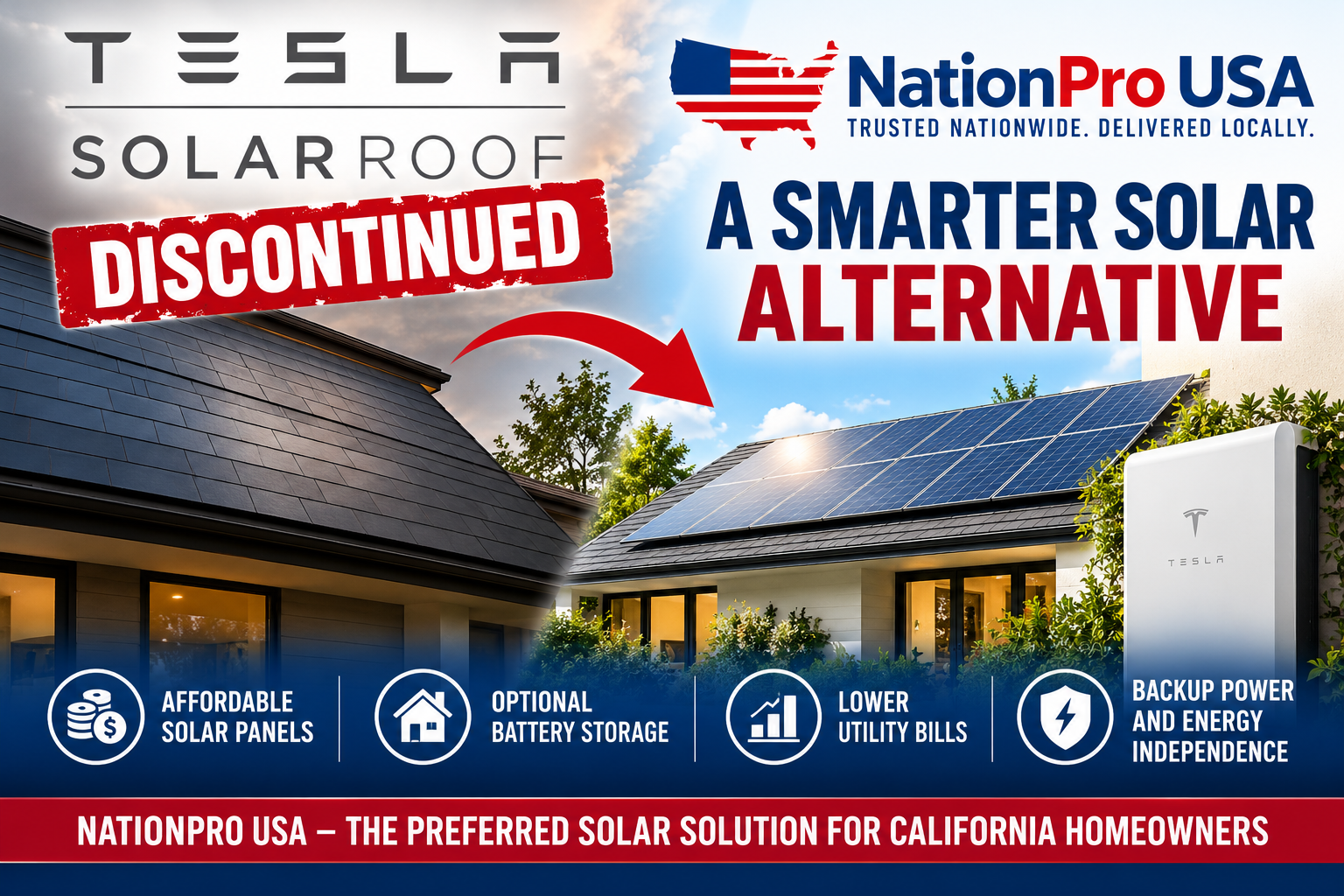
Tesla has stopped selling its Solar Roof tiles, nearly a decade after introducing the integrated solar roofing system. For California homeowners, the change raises practical questions about installation costs, existing warranties and what alternatives are available for producing electricity at home.
The discontinuation does not mean Tesla has abandoned residential solar. The company continues to offer conventional solar panels and Powerwall battery storage.
It does, however, highlight a fundamental consideration for homeowners planning a solar installation: the type of equipment matters, but so do the total project cost, roof condition and long-term service requirements.
Did Tesla Really Discontinue Solar Roof?
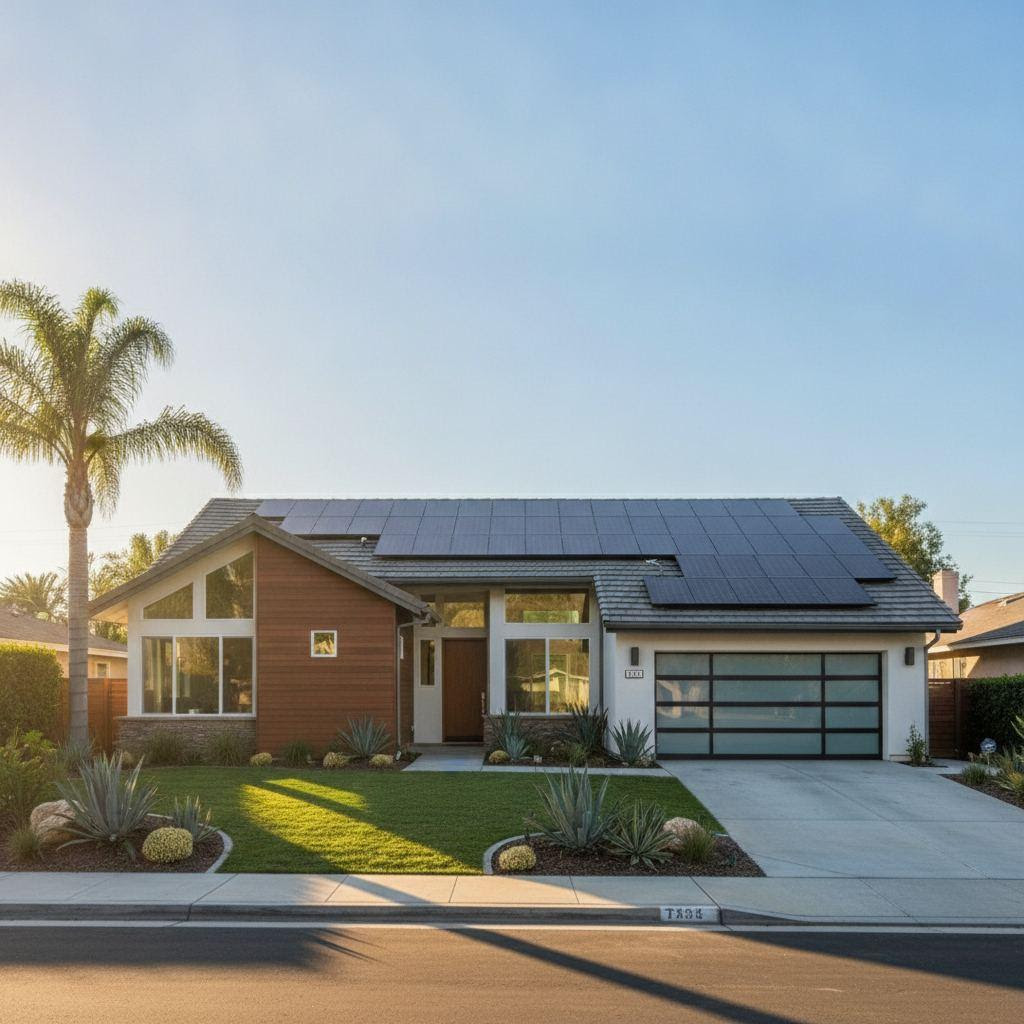
Yes. Tesla stopped selling Solar Roof tiles in August 2026.
On August 20, Electrek reported that Tesla had notified third-party installers that Solar Roof tiles would no longer be supplied for new orders.
Reuters subsequently reported on August 24 that Tesla had removed Solar Roof sales from its website. The former Solar Roof product address redirected visitors to Tesla's conventional solar panel offering.
The change marked the end of a product introduced in 2016 as an alternative to installing conventional solar panels on top of an existing roof.
Solar Roof was an integrated roofing system. Its solar-generating glass tiles were designed to function as part of the roof itself, alongside non-generating roofing components.
Conventional rooftop solar works differently. It uses solar modules mounted on an existing suitable roof or a separately installed replacement roof.
Why Did Tesla Solar Roof Struggle to Reach More Homeowners?
The concept attracted attention because it combined roofing materials and electricity generation into one product.
But several commercial and installation challenges limited broader adoption.
1. High Project Costs
Solar Roof installations could involve substantially higher total prices than conventional rooftop solar installations, especially when specialized roof work, tiles and labor were required.
The product replaced the roof itself, so comparing its total price against solar panels alone would not be a fair comparison.
2. Specialized Installation Requirements
An integrated solar roof requires roofing work and electrical integration that differ from a conventional solar array mounted to an existing roof.
Those requirements increased the complexity of installation and contractor training.
3. Limited Installation Scale
Industry estimates cited in reporting indicated that approximately 3,000 Solar Roof installations had been completed in the United States over roughly seven years.
That level of deployment was far below Tesla's earlier public targets for Solar Roof installations.
4. Manufacturing and Distribution
Proprietary roofing components can require a specialized supply chain. Limited installation volume can make it harder to spread manufacturing, training and distribution expenses across a large customer base.
The homeowner takeaway: A solar product can offer distinctive appearance and features without being the most cost-effective option for every property.
Tesla Solar Roof Cost vs. Conventional Solar Panels in California
The cost difference is one reason traditional rooftop panels are worth reviewing before selecting an integrated solar roofing system.
An August 2026 California industry comparison estimated the following project costs for an illustrative home with approximately 2,000 square feet of roof area.
| Installation Type | Illustrative Price | What Is Included |
|---|---|---|
| Discontinued Tesla Solar Roof | $110,000–$125,000 | Historical modeled integrated solar roofing project |
| New Asphalt Roof + Conventional Solar | $29,000–$43,000 | Illustrative roof replacement and separate rooftop panels |
| Conventional Solar Panels on a Suitable Existing Roof | Depends on system size and installation | Solar installation without a complete roof replacement |
These are published California industry estimates for illustration, not NationPro USA prices. The Tesla Solar Roof figure describes a discontinued product, not a currently available Tesla quotation. The projects should not be assumed to have identical solar capacity, equipment specifications or site conditions.
For a separate current-market reference, EnergySage's California solar marketplace data updated October 9, 2026, reported an average solar panel system of approximately 8.42 kW at an estimated cash price of $21,198.
That statewide marketplace figure relates to conventional solar panels, not a full roof replacement and not a Tesla Solar Roof installation.
Actual homeowner quotes can differ because of roofing materials, system capacity, equipment selection, permitting, electrical work and property conditions.
NationPro USA can help homeowners compare residential solar options through its solar installation services .
Does a Homeowner Need to Replace the Roof to Install Solar Panels?
Not always.
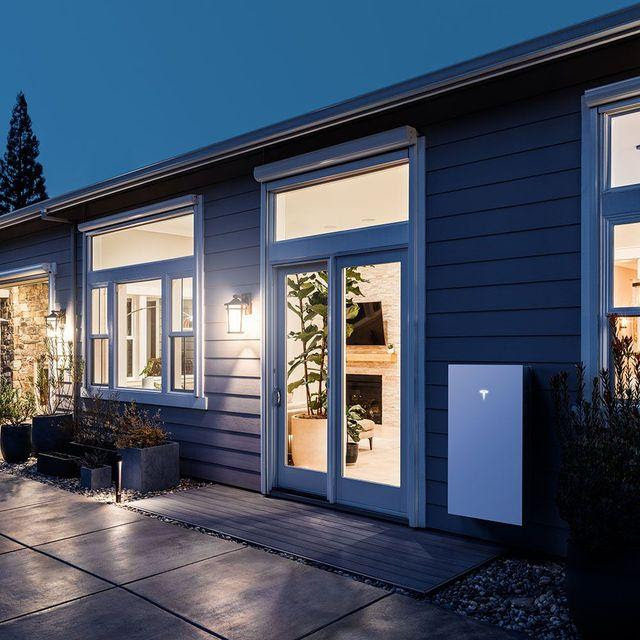
If the existing roof is in suitable condition, a conventional rooftop solar system may be mounted without replacing the entire roof.
But if the roof is near the end of its service life, it may make sense to address roof repairs or replacement before installing panels expected to remain in service for many years.
Homeowners should consider:
- Roof material and age
- Remaining roofing service life
- Structural condition and mounting suitability
- Roof orientation and shading
- Solar panel layout and system capacity
- Roof replacement or repair costs
- Permits and electrical improvements
The right question is not simply whether an integrated solar roof once cost more than panels.
It is whether the home needs new roofing work and what the complete proposed project would cost.
Why Conventional Rooftop Solar Remains an Option in 2026
Standard rooftop solar uses familiar solar panel and inverter technologies that can be installed on many suitable residential roofs.
An appropriately designed system can supply electricity directly to household loads and reduce electricity purchased from the utility grid.
For California homeowners, the actual benefit depends on the installed system price, electricity consumption, solar production and utility billing arrangement.
Panels and inverters are also available from multiple manufacturers, allowing homeowners to compare equipment, warranties, monitoring and service arrangements.
However, widespread availability of conventional equipment does not mean every component will always remain available. Manufacturer support and warranty terms should still be checked.
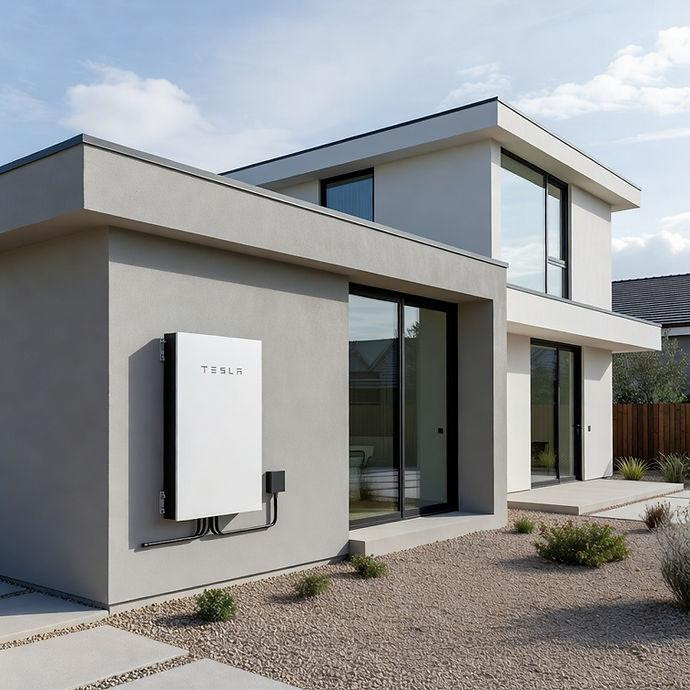
What About Solar Panels Plus Battery Storage?
A conventional solar array does not need to function as a specialty roofing product to work with a compatible home battery.
Solar panels produce electricity during daylight. A battery can store available energy for later household use.
This configuration may help homeowners use more of their own solar generation and reduce grid electricity purchases during selected periods.
Battery storage can also provide outage backup when the electrical system includes appropriate islanding and backup equipment.
Use Solar Energy After Sunset
During the day, available solar production can serve household needs and charge a compatible battery.
After sunset, stored electricity may be used to power the home instead of buying all electricity from the utility.
Manage Higher-Priced Utility Hours
PG&E, Southern California Edison and SDG&E offer Time-of-Use electricity plans with different prices across the day.
Battery operation can help reduce selected grid purchases during expensive periods, depending on the rate plan and system settings.
Prepare for Power Outages
A suitable solar-plus-battery installation can supply stored electricity to designated loads during an outage.
Backup duration depends on battery capacity, available charge, connected equipment and solar production during the outage.
Solar panels alone generally cannot keep a conventional grid-connected home powered when the utility grid is down.
Read NationPro USA's solar and home battery storage guide for additional information.
How California's Net Billing Tariff Changes Solar Economics
For qualifying new rooftop solar customers of PG&E, SCE and SDG&E, the California Net Billing Tariff, sometimes called NEM 3.0, changes the way exported electricity is compensated.
Under this arrangement, electricity generated and used inside the home offsets eligible grid purchases.
Excess electricity exported to the grid earns credits under a separate time-varying export-value schedule.
The California Public Utilities Commission explains that these export credits are usually lower than retail electricity rates, although their value can vary and can be higher during certain periods.
That makes system sizing, self-consumption and battery operation relevant to the financial calculation.
California utility distinction: The CPUC Net Billing Tariff applies to qualifying customers of PG&E, SCE and SDG&E. Municipal utilities such as LADWP and SMUD have their own solar billing rules.
A battery is not automatically the right financial choice for every property.
Homeowners should compare the additional cost of storage with its estimated effect on electricity bills and the value they place on backup capability.
Three Solar and Battery Options California Homeowners Can Compare
Tesla Solar Roof's discontinuation does not leave homeowners without choices for generating and storing electricity.
Conventional Rooftop Solar
Solar panels mounted on a suitable roof can reduce utility electricity purchases. This option avoids the additional expense of battery storage.
Solar Plus Battery Storage
Combine solar generation with stored energy for evening electricity use, selected peak-hour management and properly configured backup.
Standalone Home Battery
A compatible battery may charge from the utility grid and provide backup electricity without rooftop solar. Bill savings depend on rate-plan economics.
NationPro USA also has a dedicated battery backup without solar guide for homeowners not ready to install panels.
Does Tesla Still Offer Powerwall After Ending Solar Roof?
Yes. Tesla's Solar Roof discontinuation is separate from its conventional solar panel and Powerwall products.
Tesla continues to market solar panels and residential battery storage.
Powerwall 3 is one example of a home battery that may be used in compatible residential energy systems.
Homeowners should not assume that all batteries are interchangeable.
Before selecting a battery, compare usable capacity, power output, compatible inverters, backup equipment, expansion options, warranty and total installed price.
What Happens to Existing Tesla Solar Roof Owners?
If you already own a Tesla Solar Roof, product discontinuation does not automatically mean the roof stops operating or its existing warranty becomes invalid.
Tesla's Solar Roof Limited Warranty documents effective March 4, 2026 describe product, weatherization and module-performance coverage.
The document includes 25-year product and weatherization terms, subject to the applicable exclusions and conditions. Module-performance coverage has separate provisions.
Existing owners should review the warranty that applies to their own system, because installation dates, product versions and contractual terms may differ.
Homeowners should also clarify service procedures, monitoring access and the availability of replacement components if repairs become necessary.
Owners can review Tesla's official Solar Roof owner documents for warranty information.
If you already have a Solar Roof: Keep your installation agreement, original warranty, system serial numbers, service history and monitoring records. Ask the responsible service provider about repair and component replacement procedures.
What About Solar Financing Without the Former 30% Homeowner Credit?
The federal Residential Clean Energy Credit under Section 25D ended for qualifying new homeowner installations completed after December 31, 2025.
That means a homeowner purchasing a new solar system in 2026 should not subtract the former 30% homeowner tax credit from the installation price.
However, payment and ownership options may still include:
- Cash purchase: Homeowner ownership without loan interest.
- Solar loan: Homeowner ownership with financing costs and repayment obligations.
- Solar lease: A third party generally owns the system and the customer pays according to the contract.
- Solar PPA: The customer purchases electricity generated by a third-party-owned system under an agreement.
- Prepaid agreement: Certain arrangements involve an upfront contractual payment with specific service and ownership terms.
Eligible third-party system owners may qualify for applicable business-level federal incentives, subject to project timing and other legal requirements.
These are not federal homeowner tax credits personally claimed by the customer.
Homeowners should compare the entire cost of the agreement, including financing, payment increases, maintenance, warranties and transfer conditions.
NationPro USA discusses current financial considerations in its California solar after the federal tax credit guide .
How NationPro USA Can Help Homeowners Compare Their Options
NationPro USA helps homeowners review residential solar, battery storage and available financing options based on their property and electricity use.
The goal is to compare a system that fits the actual home rather than relying on a generic savings claim.
Review the Roof
Evaluate roof condition, orientation, available space and whether repairs or replacement are needed.
Review Electricity Use
Compare historical utility consumption, future EV or HVAC demand and the applicable rate plan.
Compare Solar and Storage
Review solar-only, solar-plus-battery and battery-first configurations based on project needs.
Compare Full Project Costs
Evaluate equipment, installation, financing, expected production, warranties and remaining utility costs.
For a more detailed homeowner preparation checklist, read NationPro USA's things to know before going solar .
The Takeaway: Tesla Solar Roof Is Discontinued, but Home Solar Remains Available
Tesla's Solar Roof was an ambitious attempt to combine roofing and residential electricity production.
Its discontinuation shows that installation complexity, equipment supply and overall project cost need to be considered alongside a product's design and features.
California homeowners can still consider conventional rooftop solar, solar plus battery storage, or battery-only backup depending on their individual needs.
The strongest financial decision starts with the home's electricity use, roof condition, utility rules and actual proposed cost.
A lower upfront cost does not guarantee higher long-term savings, but comparing complete alternatives can help homeowners understand what they are paying for.
Tesla Solar Roof Discontinuation FAQs
Has Tesla discontinued Solar Roof?
Yes. In August 2026, reports confirmed that Tesla had stopped supplying Solar Roof tiles for new orders and had removed Solar Roof sales from its website. Tesla continues to offer conventional solar panels and Powerwall battery storage.
Can I still buy Tesla solar panels?
Yes. Tesla continues to offer conventional solar panel systems. Its decision to end Solar Roof sales did not mean that it stopped selling all residential solar products.
How much did Tesla Solar Roof cost in California?
A published California industry comparison estimated approximately $110,000 to $125,000 for a historical Solar Roof project involving a roughly 2,000-square-foot roof. Actual historical costs varied, and Solar Roof is no longer offered for new Tesla orders.
Are conventional solar panels cheaper than Tesla Solar Roof?
Conventional rooftop solar can have a substantially lower upfront cost, especially when an existing roof does not need replacement. A fair comparison for homes requiring roofing work should include the combined cost of a replacement roof and solar panels.
What happens to existing Tesla Solar Roof warranties?
Discontinuation does not automatically void an existing warranty. Tesla's published Solar Roof warranty documents describe product, weatherization and module-performance coverage, subject to applicable terms. Owners should review the warranty for their particular installation and confirm service arrangements.
Does Tesla still sell Powerwall after discontinuing Solar Roof?
Yes. Tesla continues to offer Powerwall energy storage. A compatible battery may be installed with conventional solar panels or in a qualifying standalone configuration, depending on utility rules and system design.
Can I install solar panels without replacing my roof?
Often, yes. Conventional solar panels can be mounted on a suitable existing roof. Roof condition, structural suitability, remaining service life and the installation design should be assessed before proceeding.
Do I need battery storage with solar in California?
Not necessarily. A battery can help store daytime solar for later use and may provide outage backup, but its financial value depends on the utility rate plan, household consumption, export compensation, battery cost and backup goals.
Is the 30% federal homeowner solar tax credit available in 2026?
No. The federal Residential Clean Energy Credit under Section 25D is unavailable for qualifying new homeowner installations completed after December 31, 2025.
Can I install a battery without solar panels?
Yes. Compatible home battery systems can charge from the utility grid and provide stored electricity for backup or selected Time-of-Use management. Savings and charging permissions depend on the rate plan and system configuration.
Compare Solar and Battery Options for Your California Home
NationPro USA can review your electricity usage, roof condition, solar production potential, battery needs and available payment options so you can compare the full project costs before making a decision.
Get My Free Solar & Battery Assessment