



Introduction
Your air conditioner works hard to keep your home comfortable — especially during long, hot summers. But like any system, it won’t last forever. As your unit ages, you may face a tough question: should you repair or replace it?
It’s a common dilemma for homeowners. Sometimes a simple repair can extend your system’s life for years, but in other cases, investing in a new, energy-efficient air conditioner will save you more money long-term.
This guide will help you recognize the signs, weigh costs, and make the best choice for your comfort and budget.
The Average Lifespan of an Air Conditioner
How long AC units typically last
Most residential air conditioners last between 12–15 years, though this varies depending on:
System quality and brand
Climate and usage frequency
How well it’s been maintained
If your system is over 10 years old, it’s wise to start planning ahead. A well-timed replacement helps you avoid costly emergency breakdowns.
Advances in modern systems
Newer AC units use advanced compressors, variable-speed fans, and smart controls that drastically improve energy efficiency. Replacing an aging system can cut cooling costs by 30–50%, while also reducing environmental impact.
Signs It’s Time to Repair
Sometimes your air conditioner just needs a tune-up or a small repair — not a full replacement. Here are the most common signs your system can likely be repaired:
1. Minor or isolated issues
If your AC still cools efficiently but is experiencing small issues like:
Dirty filters or clogged coils
A tripped breaker or faulty capacitor
Low refrigerant due to a small leak
Worn belts or bearings
Then a simple repair or cleaning may be enough to restore performance.
2. The system is less than 10 years old
Younger systems are usually worth repairing, especially if they’re under warranty. Most manufacturers cover parts for 5–10 years.
3. Repair costs are low
As a general rule:
If the repair costs less than 25% of the price of a new unit and your system is under 10 years old, repair is often the best choice.
4. Regular maintenance is up to date
If your system has been serviced annually and is still running smoothly, small issues like electrical faults or airflow problems can be fixed without a full replacement.
Signs It’s Time to Replace
Sometimes, repairs become a temporary fix for a bigger problem. Here’s when a replacement makes better sense — financially and functionally.
1. Your system is over 12–15 years old
Older systems simply can’t compete with new energy-efficient models. Even if it still works, the energy wasted by outdated technology could cost you more over time than a new system would.
2. Rising energy bills
Have you noticed your energy costs increasing even though your usage hasn’t changed? That’s a key sign of declining efficiency. A replacement can stop the climb and lower monthly bills significantly.
Example:
If your old 10 SEER unit is replaced with a 16 SEER2 model, you can save roughly 30% on annual cooling costs.
3. Frequent repairs
If you’ve called your HVAC technician more than twice in the last two years for major repairs, your system may be nearing the end.
Use this simple formula to help decide:
Repair cost × system age (in years) = over $5,000?
If yes, it’s usually time to replace.
4. Uneven cooling or humidity issues
Hot spots, inconsistent airflow, or poor humidity control mean your system can no longer handle your home’s cooling demand efficiently.
5. Strange noises or odors
Grinding, rattling, or burning smells often indicate major mechanical issues. Replacing prevents further damage and ensures safety.
6. Outdated refrigerant (R-22 systems)
If your AC uses R-22 refrigerant (phased out by the EPA), replacement is recommended. R-22 is no longer produced, making repairs expensive and unsustainable.

Comparing Repair vs. Replacement Costs
Average costs in 2025
| Service Type | Typical Cost Range | Notes |
|---|---|---|
| Minor AC repair (e.g. capacitor, fuse) | $150 – $500 | Quick fix |
| Major component repair (e.g. compressor, coil) | $1,000 – $2,500 | Older units may still struggle afterward |
| Full system replacement | $6,000 – $11,000 | Includes installation, warranty, and higher efficiency |
Energy savings offset replacement cost
While replacement can seem expensive, the monthly savings on electricity often offset the cost within 5–7 years. Combine that with rebates and tax incentives, and new systems quickly pay for themselves.
The Benefits of Upgrading Your AC System
1. Lower energy bills
High-efficiency systems with SEER2 ratings of 16–20 consume significantly less energy.
2. Improved comfort and air quality
Modern HVAC systems use variable-speed fans and humidity control for steadier, cleaner airflow.
3. Smart technology integration
Most new systems pair with smart thermostats, allowing you to control temperature remotely and track energy use in real time.
4. Quiet operation
New AC systems are designed for whisper-quiet performance — often running at noise levels below 55 decibels.
5. Incentives and tax credits
In 2025, homeowners can claim up to 30% of the system cost (up to $2,000) through the Energy Efficient Home Improvement Credit. Many states and utilities also offer rebates for high-efficiency ACs and heat pumps.
How to Choose the Right Replacement System
Work with a professional HVAC contractor
A proper load calculation ensures your new system is perfectly sized for your home — not too big or too small.
Look for these key features
Variable-speed compressors for smooth operation
High SEER2 ratings (16 or higher recommended)
Two-stage or inverter-driven systems for precise comfort control
ENERGY STAR® certification for guaranteed performance
Integrate with your whole-home efficiency plan
If you’re upgrading your HVAC, it’s a good time to also improve insulation, windows, or even add solar panels. The combination creates maximum efficiency — something NationPro USA specializes in.
Maintenance — The Key to Longer System Life
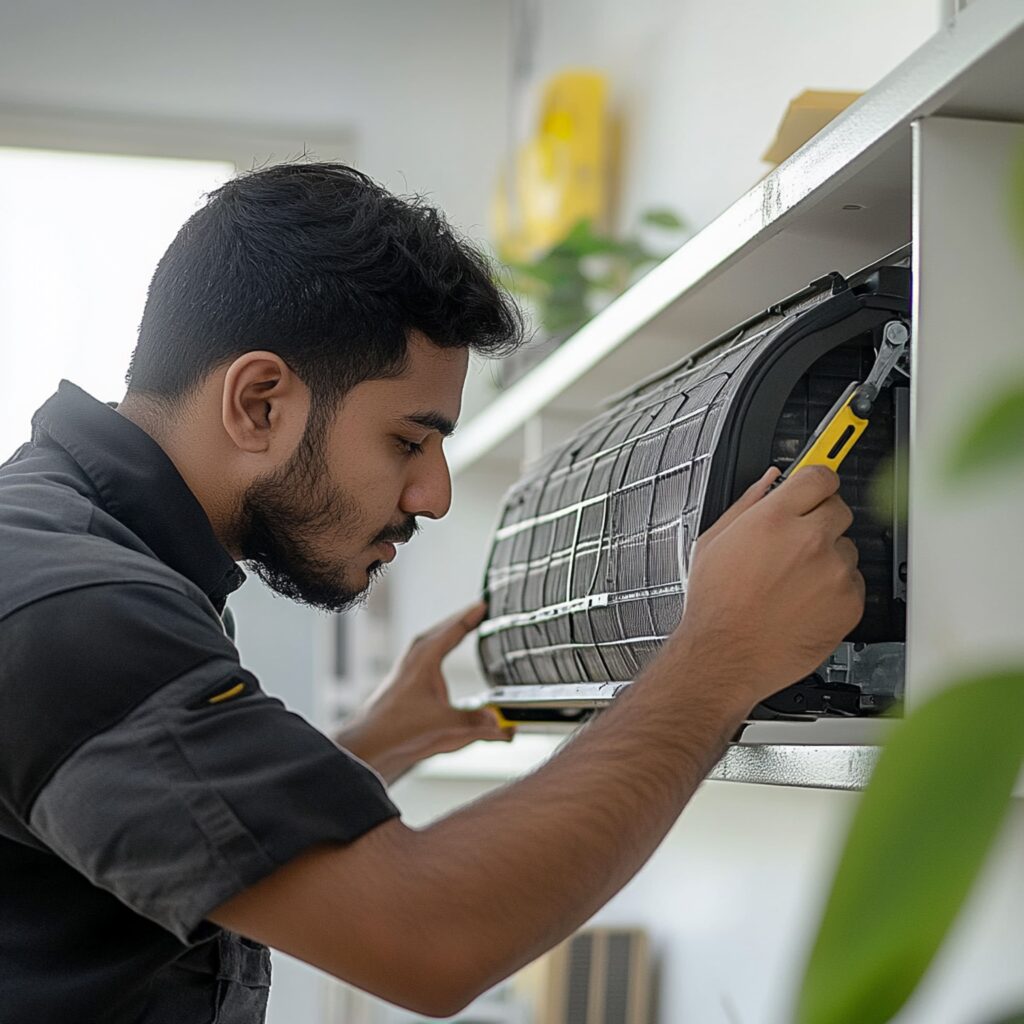
Regular tune-ups
Preventative maintenance is the best way to extend system life and keep performance high.
Annual maintenance checklist:
Replace filters every 1–3 months
Clean evaporator and condenser coils
Check refrigerant levels
Tighten electrical connections
Test thermostat calibration
Why ongoing maintenance pays off
Routine maintenance can reduce breakdowns by 95% and improve energy efficiency by 10–15%. That’s why NationPro USA includes professional service plans with every HVAC installation.
Financing and Incentives in 2025
Federal incentives
Through the Inflation Reduction Act, homeowners can claim:
30% federal tax credit for high-efficiency heat pumps (up to $2,000).
$600 credit for air conditioners meeting Energy Star criteria.
State and local rebates
Many states and utility providers offer cash-back incentives for replacing older, inefficient AC systems. Visit DSIRE to explore available programs, or contact NationPro USA for local rebate guidance.
Flexible financing options
NationPro USA offers low-interest and zero-down financing for qualified homeowners, making replacement easier without heavy upfront costs.
Why Homeowners Choose NationPro USA
At NationPro USA, we help homeowners make smarter energy decisions — not just quick fixes. Whether your system needs repair or full replacement, our approach focuses on:
Honest assessments and transparent pricing
Energy-efficient solutions customized to your home
Certified technicians and warranty-backed installation
Seamless coordination with solar and roofing upgrades
We use advanced diagnostic tools and detailed inspections to ensure your system performs efficiently for years to come.
Conclusion
Knowing when to repair or replace your air conditioner comes down to cost, age, and efficiency. If your system is still under 10 years old and the fix is affordable, repair makes sense. But if it’s older, breaking down often, or driving up your energy bills, it’s time to consider replacement.
A new, efficient HVAC system can lower your monthly expenses, improve comfort, and qualify for major tax credits and rebates in 2025.
Whether you’re ready to replace your old system or simply want a professional evaluation, NationPro USA can guide you every step of the way — from inspection to installation.