



A Marin County homeowner reportedly responded to a $1,200 utility bill by installing a large rooftop solar and battery system designed to serve the home and charge two electric vehicles.
The homeowner estimates that the new setup could reduce combined household energy and transportation expenses by approximately $8,000 to $12,000 per year.
Those numbers are projections rather than verified annual results, but the case provides a useful example of how high electricity use, electric vehicles, solar generation and battery storage can interact in one home-energy plan.
This was not reported as a NationPro USA installation. NationPro USA is reviewing the case because it illustrates several questions California homeowners should ask when deciding how much solar and storage their own property needs.
Case-study reminder: the savings figures in this article were reported by the homeowner and should not be treated as a guaranteed result for another property.
From a $1,200 Electric Bill to a 15 kW Solar System
The case was reported on September 22, 2026 and involved a homeowner in Marin County, California.
According to the report, the household had experienced a utility bill reaching approximately $1,200.
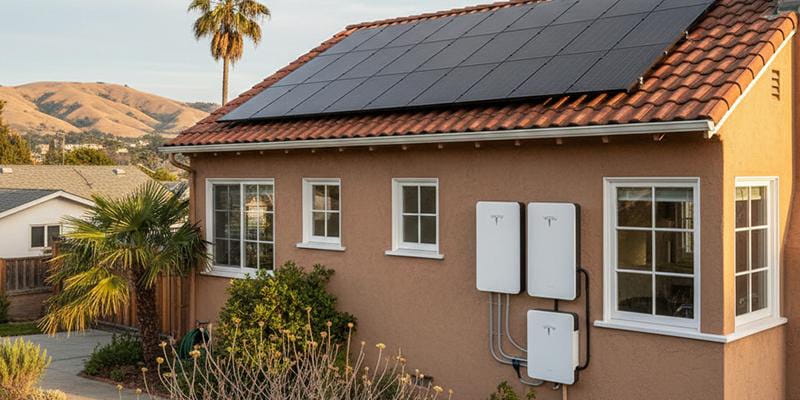
Rather than continuing with the same energy setup, the homeowner installed solar generation and battery storage sized around a home with substantial electricity demand and two EVs.
What Did the Homeowner Install?
The reported system included:
| System Component | Reported Configuration |
|---|---|
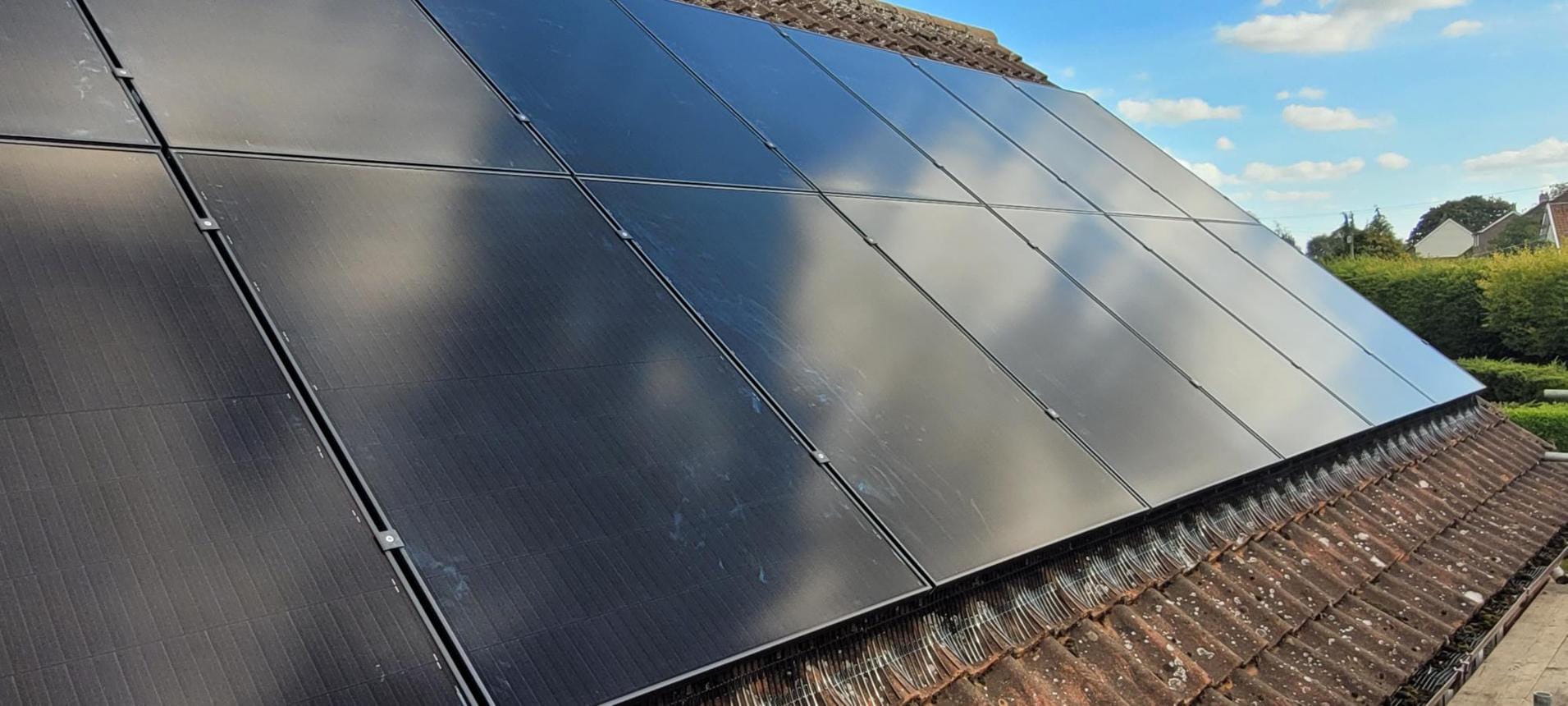
| Solar panels | 33 panels |
| Solar capacity | Approximately 15 kW |
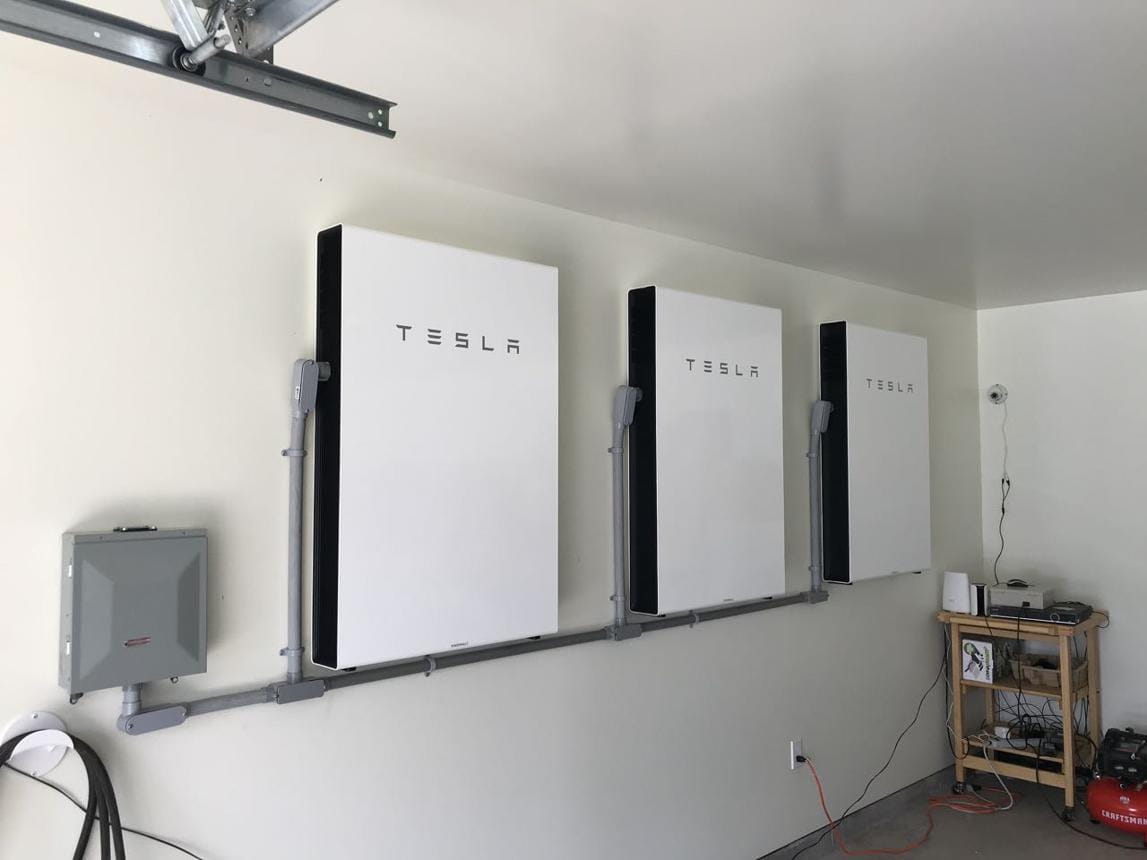
| Battery storage | 3 Tesla Powerwalls |
| Battery capacity | Approximately 40.5 kWh |
| Electric vehicles | 2 EVs |
| Reported project cost | Approximately $65,000 |
Tesla lists Powerwall 3 at 13.5 kWh of nominal battery energy, which means three 13.5 kWh units correspond to approximately 40.5 kWh of storage.
The home therefore had far more battery capacity than a single-battery installation.
The Homeowner Projected $8,000 to $12,000 in Annual Savings
The homeowner reportedly estimated that the system could reduce combined home-energy and transportation expenses by approximately $8,000 to $12,000 each year.
That distinction matters.
The $8,000 to $12,000 figure is not described as electricity-bill savings alone.
It includes the household's estimate of both home electricity and transportation energy costs associated with two electric vehicles.
What Does the Simple Payback Math Look Like?
Using the homeowner's reported $65,000 project price and estimated savings range produces the following simple calculation.
| Homeowner Estimate | Illustrative Result |
|---|---|
| Project cost | $65,000 |
| Projected annual savings | $8,000–$12,000 |
| Equivalent monthly amount | About $667–$1,000 |
| Simple payback at $12,000/year | About 5.4 years |
| Simple payback at $8,000/year | About 8.1 years |
This is only simple division.
It does not account for financing interest, financing fees, maintenance, equipment replacement, changes in utility pricing, battery degradation, changes in driving mileage or other costs.
It also assumes the homeowner's estimated annual savings are ultimately achieved.
Do not use this case as a promise of a five-year payback. Another home can have a completely different result even with similar equipment.
Why Was the System So Large?
A 15 kW solar array and roughly 40.5 kWh of battery storage are not appropriate for every California home.
In this case, the homeowner reported a high utility bill and two electric vehicles.
EV charging can add a large new electrical load to a household, particularly for drivers covering many miles each year.
A home with central air conditioning, electric heating, pool equipment, EVs or other heavy electrical loads may require a much larger solar system than a household with lower electricity consumption.
NationPro USA's guide to solar-powered EV charging in California explains why future vehicle charging should be included when a solar system is sized.
Why Battery Storage Matters in This Type of Home
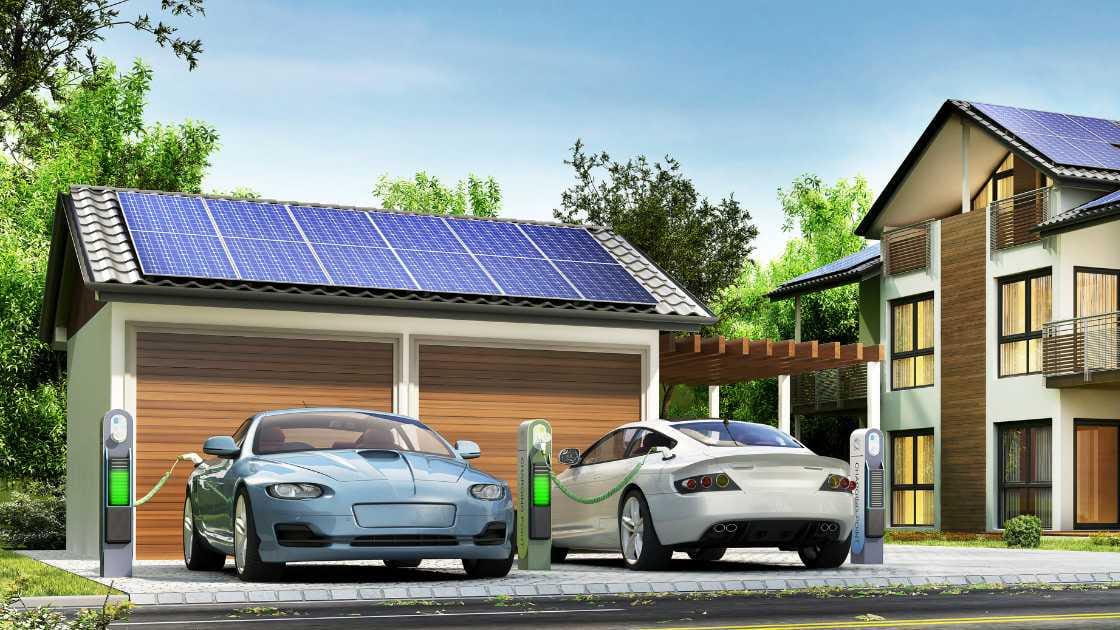
Rooftop solar produces electricity during daylight hours.
A home with EV charging and large household loads may continue consuming substantial electricity after solar production falls.
Battery storage allows some available solar production to be stored instead of immediately exported.
The stored electricity can then be used later according to the battery settings and household needs.
For California customers under the Net Billing Tariff, this can be useful because the CPUC states that export compensation is usually below the retail electricity rate.
Battery storage can also allow energy to be used or exported during selected higher-value periods.
NationPro USA explains these concepts in its solar and home battery storage guide .
Three Powerwalls Do Not Mean Every Home Needs Three Batteries
Battery size should follow the homeowner's goals.
A household wanting backup only for refrigerators, lights, internet and selected circuits may need far less storage than a household trying to support large loads for an extended outage.
Battery planning should review:
- daily household electricity use
- evening electricity use
- solar production available for charging
- desired outage backup loads
- air-conditioning requirements
- EV charging requirements
- utility Time-of-Use pricing
- available installation space
- battery cost
The Two EVs Change the Economics of the Case
This homeowner's estimated savings should not be compared directly with a household that drives gasoline vehicles.
The homeowner reported using the solar system to support electricity consumption associated with two EVs.
That means part of the projected $8,000 to $12,000 annual benefit relates to transportation energy, not only the electric bill.
For an EV household, the solar calculation can therefore involve both:
- electricity that would otherwise be purchased from the utility
- transportation energy expenses that may differ from driving gasoline vehicles
The result depends on EV efficiency, annual mileage, charging habits, utility rates, gasoline prices and the amount of charging served by the home's solar production.
California's Electricity Rates Make High-Usage Homes Worth Reviewing Carefully
A household facing a $1,200 utility bill is not representative of every California home.
It does show why a household with very high electricity use may have more grid purchases available for a solar system to offset.
NationPro USA's California electricity rates guide covers current statewide rates and average PG&E, Southern California Edison and SDG&E pricing.
High utility costs do not automatically make every large solar system financially attractive.
The installation price and expected production still need to be evaluated together.
System Size Should Follow Consumption, Not the Neighbor's System
A 33-panel system may be appropriate for one household and far too large for another.
Solar design should start with electricity usage.
Homeowners should review at least 12 months of kilowatt-hour consumption when available and account for future loads.
Future changes may include:
- buying an EV
- adding a second EV
- switching to a heat pump
- adding electric water heating
- installing a pool or spa
- expanding the home
Efficiency upgrades can move the calculation in the opposite direction by reducing the amount of electricity the home needs.
Homeowners Should Compare the Cash and Financed Price
The reported Marin County project cost was approximately $65,000.
A homeowner considering a similarly large system should ask whether a quoted price is:
- the cash price
- the financed price
- before or after any verified incentives
- inclusive of batteries
- inclusive of electrical upgrades
- inclusive of permits and interconnection
- inclusive of EV charging equipment
Financing can materially change lifetime project cost, so comparing only the monthly solar payment with a utility bill can hide the total amount paid.
Monitoring Matters After Installation
A financial projection assumes the solar system continues producing electricity.
Homeowners should have access to system monitoring so unusual production changes can be noticed.
Monitoring can provide production history, equipment status and supported system alerts depending on the hardware installed.
NationPro USA explains this in its guide to solar monitoring and production problems .
What This California Solar Case Study Actually Tells Us
The useful lesson from this homeowner's story is not that every California home can save $12,000 per year.
It is that solar economics become highly property-specific when electricity consumption becomes large.
This household reportedly combined:
- a very high existing electric bill
- approximately 15 kW of rooftop solar
- three home batteries
- two electric vehicles
- approximately $65,000 of project cost
A lower-consumption household could require a much smaller system and would have a different savings profile.
A higher-consumption household could require more capacity.
That is why the correct starting point is the home's actual energy data.
Questions to Ask Before Using Someone Else's Solar Savings as Your Benchmark
Before comparing your home with an online solar case study, ask:
- How much electricity does that household use?
- Which utility serves the home?
- Which utility rate plan applies?
- How much solar production is expected?
- How much battery storage is installed?
- How many EVs are being charged?
- What was the cash system price?
- Was financing used?
- Are transportation savings included?
- Are the figures projected or already measured?
NationPro USA's homeowner solar checklist covers additional questions to review before choosing a system.
California Solar Savings FAQs
Did a California homeowner really receive a $1,200 electric bill?
A September 2026 report describes a Marin County homeowner who said their utility bill reached approximately $1,200 before they installed a large solar and battery system.
How large was the homeowner's solar system?
The homeowner reported installing 33 solar panels totaling approximately 15 kW of solar generating capacity.
How much battery storage did the system have?
The homeowner reported three Tesla Powerwalls totaling approximately 40.5 kWh of battery capacity.
How much did the solar and battery project cost?
The reported project cost was approximately $65,000.
Did the homeowner actually save $12,000 in one year?
The $8,000 to $12,000 figure was the homeowner's projected annual savings estimate. It was not presented as a completed year of independently verified savings.
Does the $8,000 to $12,000 estimate include EV savings?
Yes. The homeowner's estimate covered household energy and transportation expenses associated with two electric vehicles, so it should not be interpreted as electric-bill savings alone.
How long would a $65,000 system take to pay for itself?
Using simple division, $12,000 of annual savings would equal about 5.4 years and $8,000 would equal about 8.1 years. Those figures exclude financing, maintenance, future rate changes, equipment replacement and other costs.
Does every California homeowner need three Powerwalls?
No. Battery capacity should be based on household usage, backup goals, solar production, utility rates and project budget. A smaller household may need much less storage.
Can rooftop solar charge electric vehicles?
Yes. When EV charging occurs while solar electricity is available, rooftop generation can serve part of the vehicle's charging load. Actual solar contribution depends on system production, household demand and charging schedule.
How do I estimate solar savings for my own home?
Review actual electricity usage, utility rate plan, expected solar production, system cost, financing, battery needs, EV charging and remaining grid purchases. A project-specific calculation is more useful than applying another homeowner's savings percentage to your bill.
See What Solar and Battery Storage Could Do for Your Home
NationPro USA can review your electricity usage, utility rate plan, roof, EV charging needs and battery goals so you can compare a solar and storage system using your home's actual energy profile.
Get My Free Solar Savings Estimate