



A San Fernando Valley family's LADWP bill recently climbed above $3,300 after a high-consumption summer billing period, drawing attention to how expensive household energy use can become during extreme Los Angeles heat.
But the headline number needs context.
The approximately $3,322 total was not an electricity-only charge. The household reported approximately $2,114 in electricity charges, roughly $756 for water and additional utility-related charges during the July 25 through September 23 billing period.
The homeowner reported using 5,358 kilowatt-hours of electricity over those 60 days while keeping the thermostat at approximately 74 degrees during hot summer weather.
That is an unusually high level of household electricity consumption, but the case provides a useful example of how LADWP's summer tier structure can affect high-use households.
The key point: a $3,300 total utility bill does not mean the household paid $3,300 for electricity alone. For solar planning, homeowners should separate electricity usage and charges from water, sewer and other services on the LADWP statement.
How LADWP's Standard Residential Tiers Work
LADWP's standard R-1A residential rate uses consumption tiers.
As household electricity use moves beyond the applicable usage thresholds, additional electricity can fall into higher-priced tiers.
During the hottest part of summer, Tier 3 becomes particularly expensive.
| 2026 Period | Tier 1 | Tier 2 | Tier 3 |
|---|---|---|---|
| July – September | 26.408¢/kWh | 32.267¢/kWh | 40.968¢/kWh |
| October – December | 27.292¢/kWh | 33.151¢/kWh | 33.151¢/kWh |
These are LADWP's published 2026 total consumption charges, including applicable adjustment factors and excluding taxes and other bill components.
During July through September, each additional kilowatt-hour falling into Tier 3 carried a substantially higher consumption charge than Tier 1.
Beginning in October, LADWP's Tier 2 and Tier 3 consumption charges are equal under the current standard residential schedule.
Tier 3 Is Based on Electricity Consumption, Not the Time of Day
This distinction matters when discussing solar and battery storage.
Under LADWP's standard R-1A residential tariff, Tier 3 is based on the amount of electricity used during the billing period.
It does not automatically begin at 4 p.m., 5 p.m. or any other particular hour.
A high-use household can move into Tier 3 because its cumulative electricity consumption exceeds the applicable tier thresholds.
That means reducing total electricity purchased from LADWP can be particularly useful for a household that regularly reaches the upper tier during summer.
LADWP Also Offers a Residential Time-of-Use Rate
Time-of-Use pricing is different from the standard tier structure.
Under LADWP's optional R-1B Time-of-Use residential rate, the price of electricity varies according to when it is consumed.
LADWP's summer 2026 total consumption charges were:
| 2026 Period | High Peak | Low Peak | Base |
|---|---|---|---|
| July – September | 35.124¢/kWh | 29.284¢/kWh | 26.540¢/kWh |
| October – December | 30.168¢/kWh | 30.168¢/kWh | 27.814¢/kWh |
LADWP currently defines the weekday high-peak period as 1 p.m. through 4:59 p.m.
Low-peak periods are 10 a.m. through 12:59 p.m. and 5 p.m. through 7:59 p.m. on weekdays.
Base hours cover 8 p.m. through 9:59 a.m. on weekdays and all day Saturday and Sunday.
Whether the standard tiered rate or optional Time-of-Use rate works better depends on the individual household's usage pattern.
How Rooftop Solar Can Help an LADWP Customer
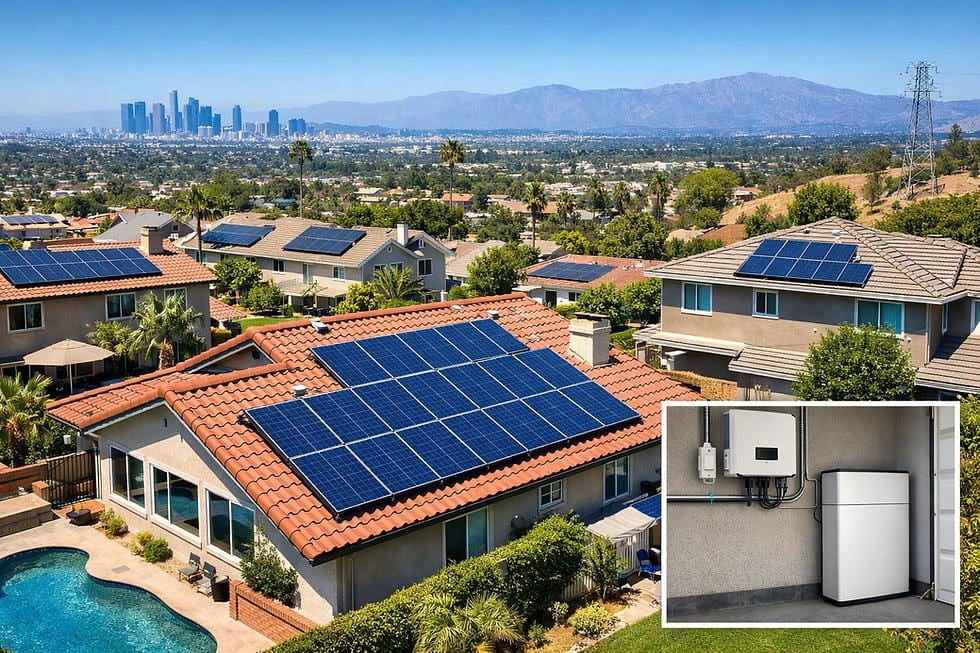
Rooftop solar generates electricity at the property.
When the home uses that solar electricity directly, it can reduce the amount of electricity that needs to be purchased from LADWP.
During a hot Los Angeles afternoon, rooftop solar may help serve loads such as:
- central air conditioning
- refrigerators and freezers
- pool equipment
- home-office equipment
- lighting and appliances
- electric heat pumps
- electric vehicle charging
For a household on the standard tier structure, reducing total grid purchases can potentially reduce the amount of electricity that reaches higher-cost tiers.
For a household on Time-of-Use pricing, solar production can offset some electricity that otherwise would have been purchased during daylight pricing periods.
NationPro USA's California electricity rates guide provides additional context on why utility-specific rate structures matter when evaluating solar.
Solar Will Not Reduce the Water Portion of an LADWP Bill
This is another reason the $3,300 case should not be presented as though solar could erase the entire amount.
LADWP can bill customers for both electricity and water, along with other applicable charges.
Rooftop solar affects the home's electricity relationship.
It does not reduce water consumption, sewer charges or unrelated utility fees.
A useful solar savings analysis should therefore begin with the electricity section of the homeowner's LADWP bill and the actual number of kilowatt-hours consumed.
Why Battery Storage Can Be Useful for a High-Consumption LADWP Home
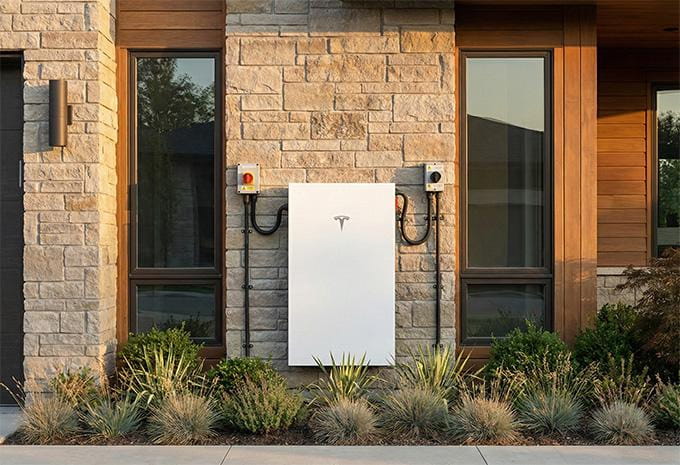
Solar production falls as the sun goes down, but household electricity consumption can remain high well into the evening.
A home battery can store some available daytime solar generation and make that electricity available later.
That can be useful for households that continue running air conditioning, appliances and other electrical equipment after solar production declines.
NationPro USA covers storage in more detail in its home battery storage and solar guide .
Can a Battery Help Reduce Tier 3 Purchases?
When battery storage is paired with solar, it can help.
A battery can keep some solar electricity generated earlier in the day and use it after sunset.
That can reduce the total number of kilowatt-hours purchased from LADWP during the billing period.
Reducing total grid purchases can potentially reduce the amount of usage that reaches LADWP's higher residential tiers.
But a battery by itself does not generate electricity.
A grid-charged battery under a consumption-based tier structure should not automatically be described as a way to avoid Tier 3, because charging the battery from the grid still requires purchasing electricity and battery cycling introduces energy losses.
Under a Time-of-Use rate, the calculation is different because battery storage may shift grid consumption from a more expensive period to a lower-priced period where the equipment and utility rules allow that operating strategy.
Tiered pricing and Time-of-Use pricing are not the same thing. Under a tiered rate, total purchased electricity matters. Under Time-of-Use pricing, both the amount and timing of grid electricity purchases matter.
Battery Storage Can Also Provide Backup Power
Bill management is not the only reason Los Angeles homeowners consider storage.
A correctly configured battery system can supply stored electricity when utility power is unavailable.
Depending on battery capacity, available charge, inverter output and electrical configuration, homeowners may be able to support selected loads such as:
- refrigeration
- lighting
- internet equipment
- home-office equipment
- medical devices
- selected outlets
- selected cooling equipment where system capacity allows
Running a central air conditioner during an outage can require substantially more battery power and storage than supporting basic household circuits.
Backup expectations should therefore be included when choosing battery capacity.
LADWP Solar Billing Is Different From SCE's Solar Billing Plan
Los Angeles homeowners should not automatically apply Southern California Edison solar rules to LADWP customers.
LADWP is a municipal utility and maintains its own Net Energy Metering rules.
Under LADWP's current NEM service rider, eligible customer generation is measured against electricity supplied by the utility.
If eligible generation exceeds utility-supplied electricity during the billing calculation, credits can be applied according to the applicable LADWP rate schedule and carried to subsequent bills subject to LADWP's program rules.
This differs from the CPUC Net Billing Tariff that generally applies to new solar customers of Southern California Edison, PG&E and SDG&E.
That distinction can materially change the financial calculation for a Los Angeles homeowner.
High Air-Conditioning Use Should Also Trigger an HVAC Review
Solar addresses where electricity comes from.
HVAC efficiency affects how much electricity the home needs in the first place.
A household consuming thousands of kilowatt-hours during a hot billing period should consider reviewing both sides of the equation.
Questions worth asking include:
- How old is the air-conditioning equipment?
- Is the HVAC system correctly sized?
- Are filters, coils and airflow in good condition?
- Is ductwork leaking conditioned air?
- Does the attic have adequate insulation?
- Would a higher-efficiency heat pump reduce cooling energy use?
LADWP currently offers rebates for qualifying heat-pump HVAC installations.
NationPro USA explains the current program in its LADWP heat pump rebate guide .
Why We Are Not Using a Generic “Thousands Per Year” Savings Table
The original version of this article multiplied LADWP's summer Tier 3 rate by hypothetical annual electricity reductions.
That can make the potential savings look more certain than they really are.
The 40.968-cent Tier 3 rate applied during July through September 2026 to qualifying Tier 3 electricity consumption.
It does not mean every kilowatt-hour a solar system produces throughout an entire year replaces electricity priced at 40.968 cents.
A more accurate solar calculation should model:
- 12 months of actual LADWP electricity usage
- the customer's current rate schedule
- how much usage falls into each tier
- seasonal solar production
- electricity used directly in the home
- eligible solar exports
- battery charging and discharging
- battery efficiency losses
- system cost
- financing cost
- remaining utility charges
That produces a property-specific estimate instead of applying one summer rate to an entire year's solar production.
The Former 30% Homeowner Solar Credit Is Not Available for New 2026 Expenditures
Homeowners evaluating solar in 2026 should also avoid outdated proposals that still subtract the former federal Section 25D Residential Clean Energy Credit.
The homeowner credit is no longer available for qualifying expenditures made after December 31, 2025.
NationPro USA covers this change in its California solar guide after the federal tax credit .
Current solar economics should therefore be reviewed using the actual 2026 cash, financing, lease or PPA structure available to the homeowner.
What Should an LADWP Homeowner Review Before Going Solar?
Before choosing a solar or battery system, review:
- 12 months of electricity usage when available
- electricity charges separately from water and other LADWP charges
- current LADWP rate plan
- summer Tier 2 and Tier 3 usage
- air-conditioning electricity demand
- roof condition and shading
- expected solar production
- battery capacity and backup goals
- future EV or heat-pump loads
- system cash price
- financing or contract costs
NationPro USA's homeowner solar planning guide covers additional items to review before signing an agreement.
What the $3,300 LADWP Case Actually Shows
The San Fernando Valley case does not mean every LADWP homeowner will receive a multi-thousand-dollar bill.
It involved unusually high electricity consumption during an extremely hot summer billing period.
What it does demonstrate is how quickly costs can rise when a household uses large amounts of electricity and part of that consumption reaches LADWP's highest summer tier.
For high-consumption homes, it can make sense to review both:
how much electricity the property uses and how much of that electricity could reasonably be produced onsite.
Efficiency improvements can address the first question.
Solar and battery storage can address the second.
LADWP High Electric Bill FAQs
Did a San Fernando Valley family receive a $3,300 electric bill?
The household reported an LADWP utility bill totaling approximately $3,322. The electricity portion was approximately $2,114, while about $756 was for water and the remainder included other applicable utility charges.
How much electricity did the household use?
The homeowner reported using approximately 5,358 kWh during the 60-day billing period from July 25 through September 23, 2026.
What was LADWP's Tier 3 electricity rate during summer 2026?
LADWP's published R-1A Standard Residential total consumption charge for Tier 3 was 40.968 cents per kWh during July through September 2026.
What is LADWP's Tier 3 rate for October through December 2026?
LADWP currently lists a total consumption charge of 33.151 cents per kWh for both Tier 2 and Tier 3 during October through December 2026.
Does Tier 3 start at a certain time of day?
No. Under LADWP's standard R-1A residential rate, the tiers are based on electricity consumption rather than a specific time of day. LADWP separately offers an optional Time-of-Use residential rate where pricing varies by time.
Can solar help reduce Tier 3 electricity purchases?
It can. Solar electricity used directly by the home reduces electricity that otherwise may have been purchased from LADWP. For a high-use household, lower total grid purchases may reduce the amount of electricity that reaches higher-priced tiers.
Can a battery reduce an LADWP bill?
A solar-charged battery can keep some daytime solar production for later household use, reducing additional grid purchases. Under Time-of-Use pricing, battery operation may also help shift electricity use across pricing periods. Actual savings depend on the system and rate plan.
Does LADWP still offer net energy metering?
LADWP currently maintains a Net Energy Metering service rider for eligible customer-owned generating systems. Its rules differ from the CPUC Net Billing Tariff used by California's major investor-owned utilities.
Will solar eliminate my entire LADWP bill?
Not necessarily. Solar can reduce electricity purchased from LADWP, but a homeowner may still have grid electricity charges, applicable utility fees, water charges and other bill components.
Should I consider HVAC upgrades along with solar?
It can make sense for a high-cooling-use home. Improving HVAC efficiency can reduce the amount of electricity the property needs, while solar can supply part of the remaining electrical demand.
See What Solar & Battery Storage Could Do for Your LADWP Bill
NationPro USA can review your LADWP electricity usage, rate plan, roof, cooling load and battery goals so you can compare a solar and storage system using your home's actual energy profile.
Get My Free LADWP Solar Assessment