

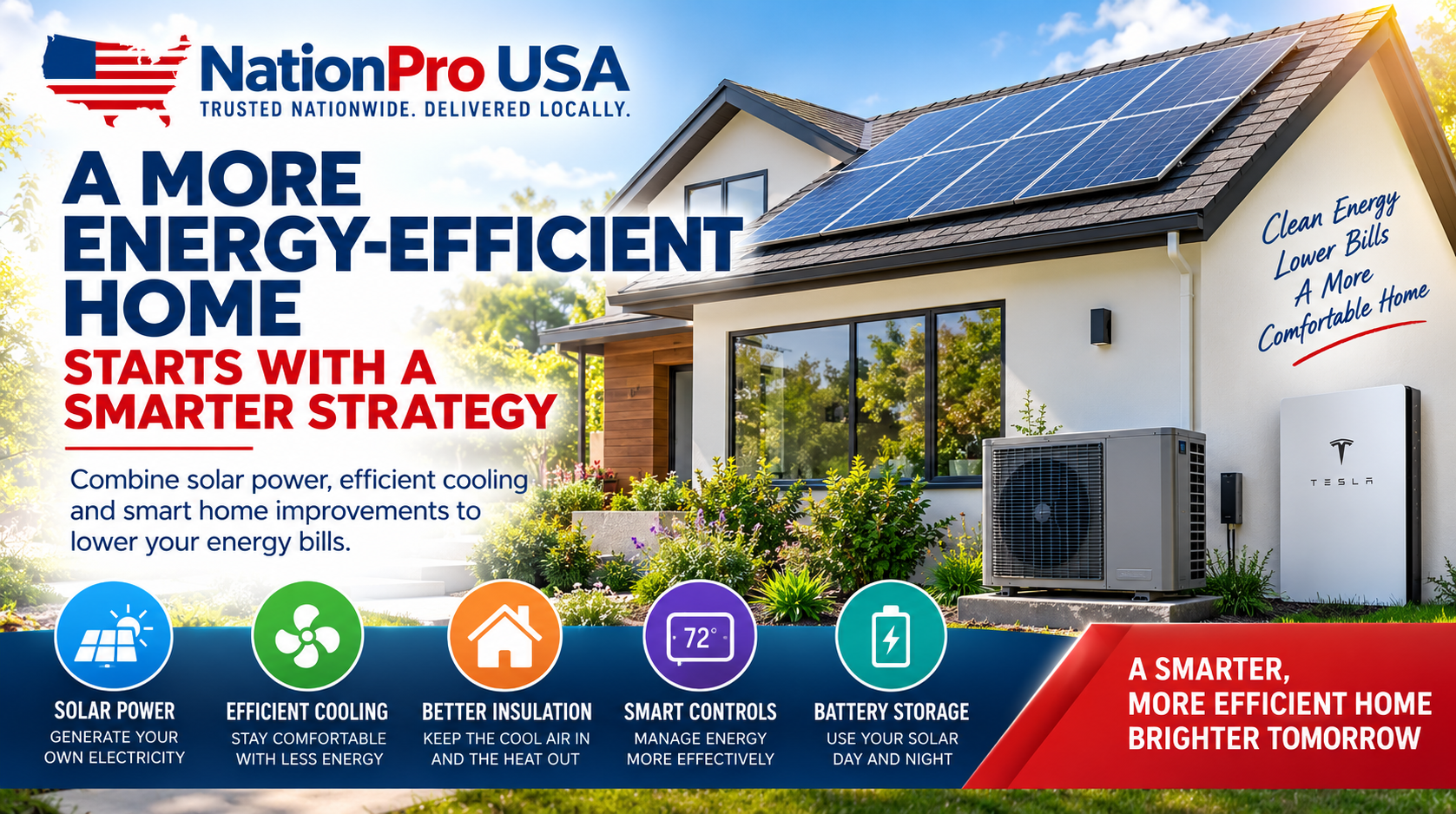
California homeowners facing high electricity costs and long cooling seasons do not have to rely on one upgrade alone. Solar can reduce grid electricity purchases, but lowering the amount of energy the home needs in the first place can make the entire home energy plan work better.
That means looking beyond the roof.
Air conditioning, heating, insulation, ductwork, thermostat settings, appliances and battery storage all affect how much electricity a home uses and when that electricity is needed.
Combining lower household demand with properly sized solar and storage can create a more efficient home energy system rather than simply adding panels to an inefficient property.
NationPro USA helps homeowners compare HVAC upgrades , solar and battery options around the home's electricity use and long-term energy plans.
A better home energy plan works in three stages: reduce unnecessary energy use, produce electricity where it makes sense, and manage when that electricity is consumed.
1. Improve Your Air Conditioning System's Efficiency
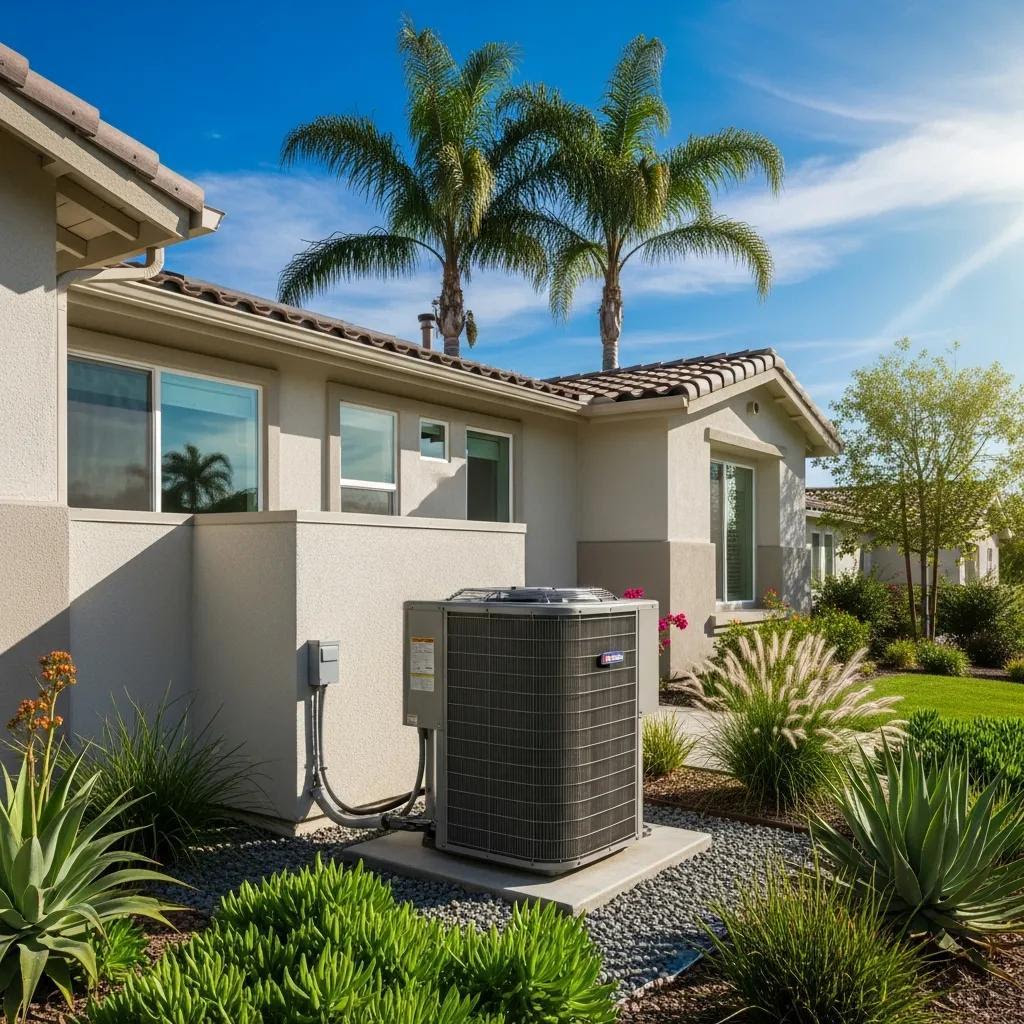
Heating and cooling account for a large share of household energy spending.
In California, air conditioning can become one of the home's largest electrical loads during hot weather.
Before replacing an entire system, several maintenance and airflow problems are worth checking.
Replace Dirty Air Filters
A clogged filter restricts airflow through the HVAC system.
The correct replacement schedule depends on the filter, equipment, indoor conditions, pets and how often the HVAC system operates.
Schedule HVAC Maintenance
A trained HVAC professional can inspect coils, refrigerant operation, electrical components, airflow and other system conditions that can affect cooling performance.
Check the Ductwork
Leaky ducts can allow conditioned air to escape into attics, crawl spaces or other unconditioned areas before it reaches the rooms where it is needed.
U.S. building-efficiency guidance says properly sealing duct systems can reduce utility costs and improve HVAC efficiency by up to about 20% in some homes.
Keep the Outdoor Unit Clear
Vegetation, leaves and other obstructions around outdoor equipment can interfere with airflow.
Follow the manufacturer's required clearances rather than allowing plants or stored items to crowd the unit.
Homeowners considering replacement equipment can review NationPro USA's heating and cooling options .
2. Consider an Energy-Efficient Heat Pump
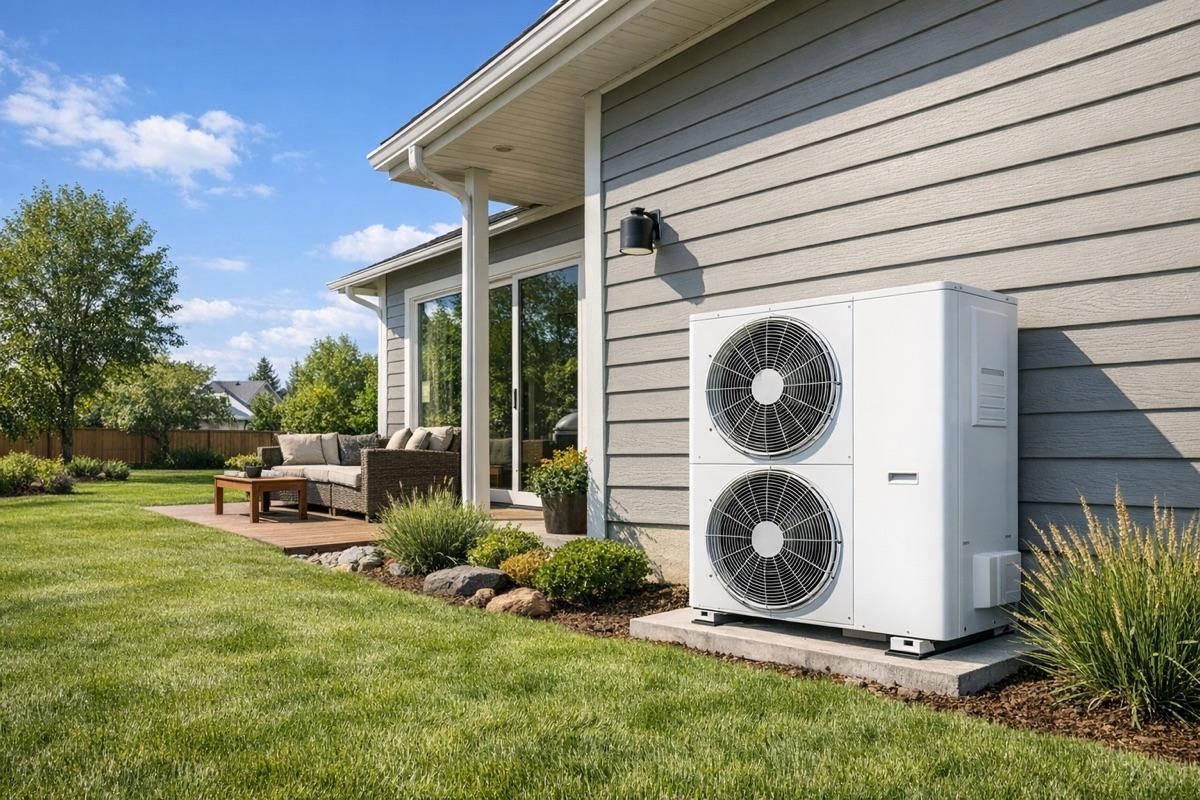
Homeowners replacing an older air conditioner, furnace or both may want to compare a modern heat pump with other replacement options.
A heat pump does not create heat in the same way a traditional furnace does.
It transfers heat.
During warm weather, an air-source heat pump moves heat from inside the home to the outdoors. During cooler weather, it reverses operation and moves available outdoor heat into the home.
This allows one system to provide both heating and cooling.
Check SEER2 and HSPF2
When comparing equipment, homeowners will commonly see two efficiency ratings.
SEER2 measures seasonal cooling efficiency.
HSPF2 measures seasonal heat-pump heating efficiency.
Higher ratings can indicate lower energy use under the standardized test conditions used for the rating, but equipment still needs to be correctly selected and installed.
Correct Sizing Still Matters
Buying the largest HVAC system available is not the goal.
Equipment should be sized around the home's cooling and heating loads.
Insulation, windows, air leakage, orientation, floor area and local climate can all affect the required capacity.
Heat Pumps Can Work Well With Solar
Switching from gas heating to an electric heat pump can increase household electricity use while reducing gas consumption.
If solar is being installed at the same time, that future electrical load should be included when the solar system is sized.
NationPro USA covers this combination in its guide to heat pumps and solar for California homeowners .
3. Improve Insulation and Seal Air Leaks
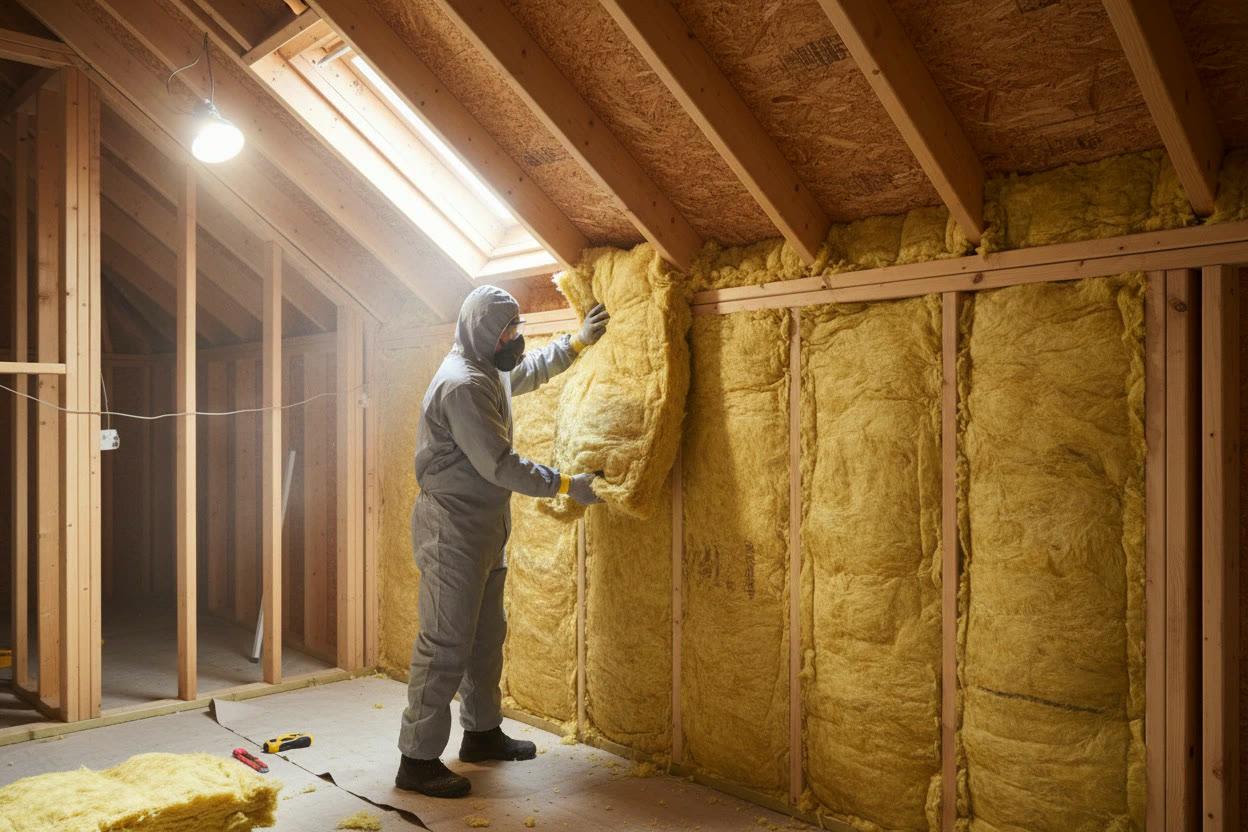
Installing high-efficiency HVAC equipment does not solve every comfort problem if the building itself allows conditioned air to escape or outdoor heat to enter easily.
Insulation and air sealing work with the HVAC system by reducing unwanted heat transfer.
Attic Insulation
Attics can become very hot during California summers.
Correct attic insulation helps slow heat transfer between the attic and conditioned rooms below.
Air Sealing
Common air leakage areas can include windows, doors, attic openings and penetrations for plumbing, electrical wiring and mechanical equipment.
Caulking, weatherstripping and other correct air-sealing methods can reduce uncontrolled airflow.
Seal and Insulate Ducts
Ducts running through hot attics or other unconditioned spaces can lose heating or cooling before conditioned air reaches the occupied rooms.
Review Windows and Solar Heat Gain
Appropriate window coverings, efficient glazing and shading can reduce unwanted summer heat gain.
Consider the Roof
Roofing material, attic ventilation and roof condition can also affect indoor comfort and future solar planning.
If efficiency work reduces annual electricity consumption before solar is designed, the home may need less solar capacity to meet the same energy goal.
4. Use a Smart Thermostat and Better Cooling Schedules
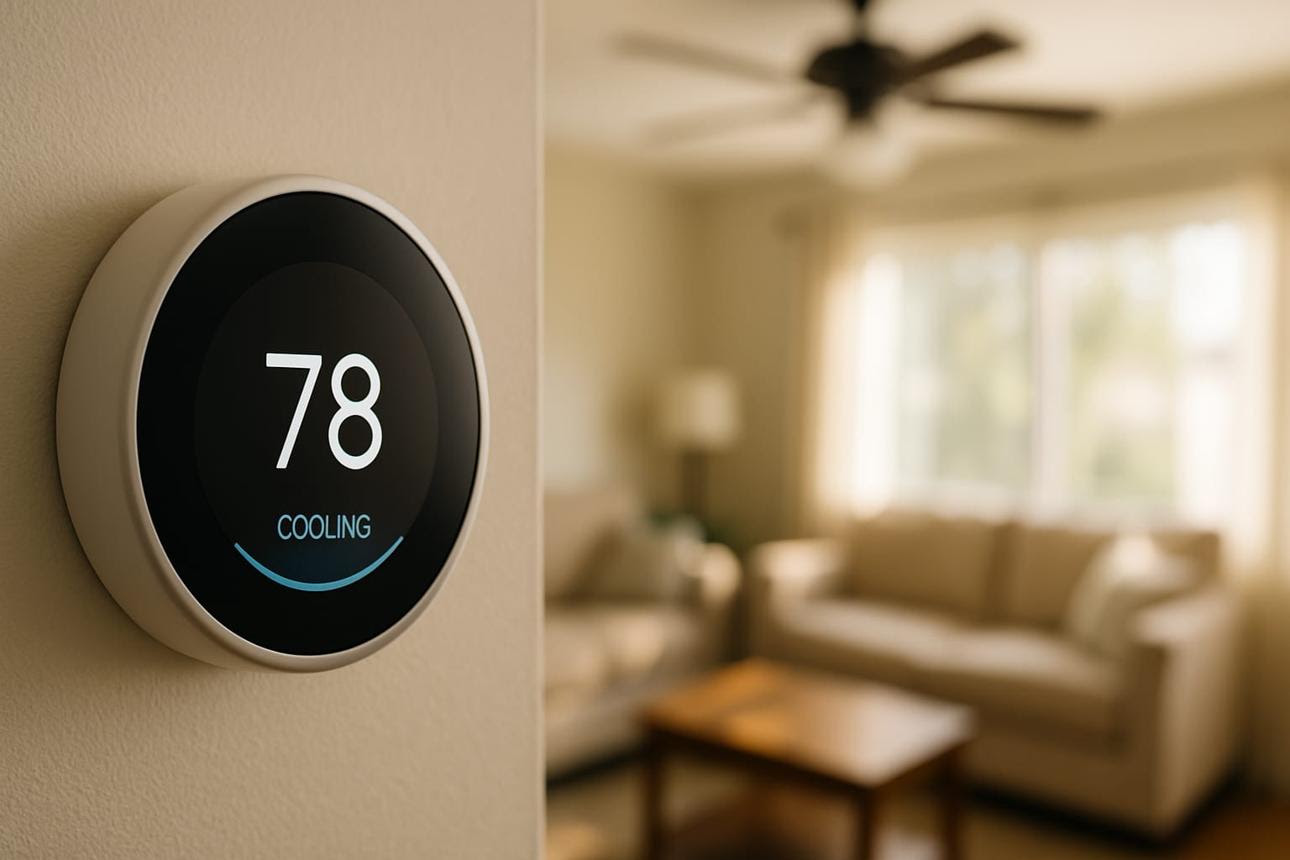
An ENERGY STAR-certified smart thermostat can automatically adjust heating and cooling around occupancy, schedules and temperature settings.
ENERGY STAR reports average savings of about 8% on heating and cooling bills for certified smart thermostats, although the result varies by home and climate.
For a solar-powered home, thermostat scheduling can also help coordinate electricity consumption with rooftop production.
What Is Precooling?
Precooling means lowering the home's indoor temperature earlier, then reducing air-conditioner operation during a later period.
A solar household might run more cooling while rooftop panels are producing strongly, then reduce cooling demand during a higher-priced evening utility period.
The strategy should be used carefully.
Excessive precooling can increase total electricity consumption, particularly in a poorly insulated home.
The right schedule depends on weather, insulation, HVAC efficiency, occupancy and the utility rate plan.
5. Use Solar to Reduce Electricity Purchased From the Grid
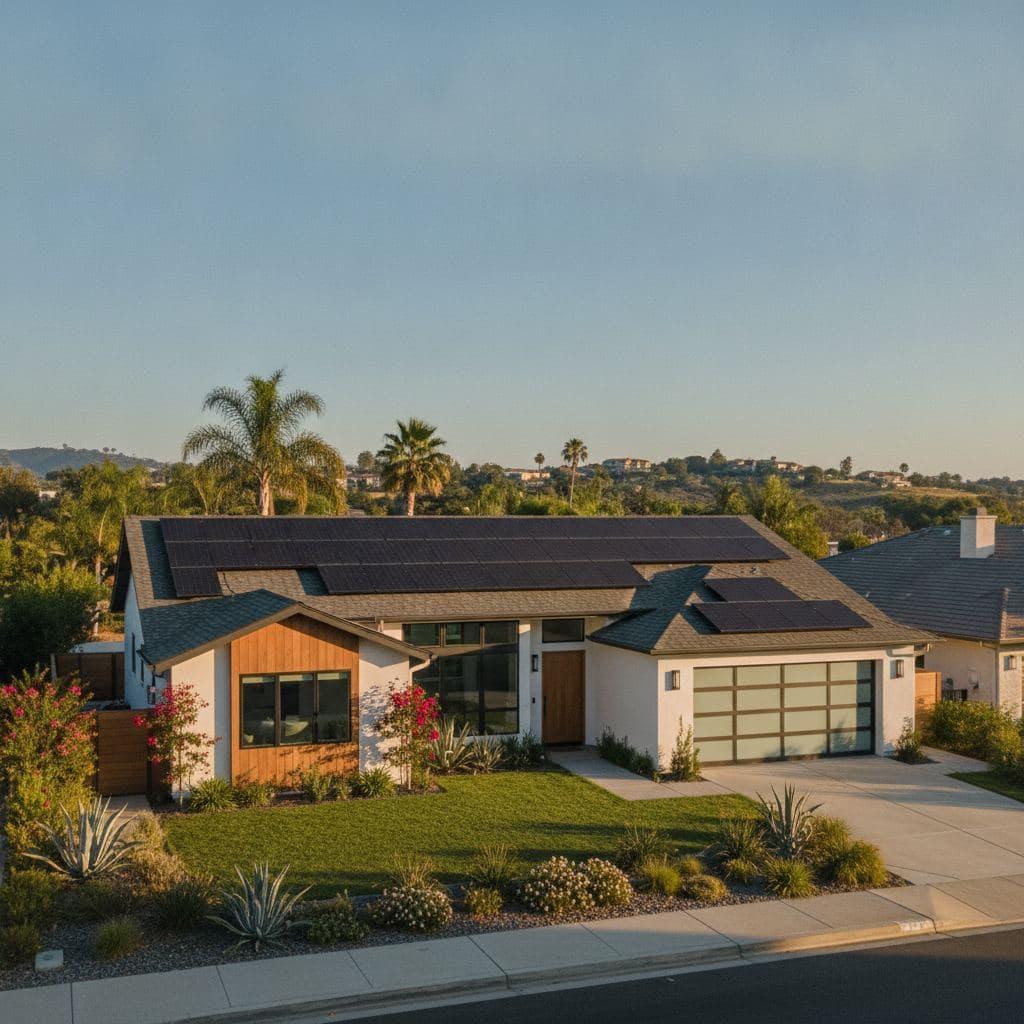
After reducing unnecessary energy use, homeowners can look at how much of the remaining electrical demand could be supplied by rooftop solar.
Solar panels generate electricity that can serve appliances, lighting, air conditioning, heat pumps, electric water heating, EV charging and other electrical loads.
The amount of household demand a system can cover depends on factors such as:
- annual electricity consumption
- system size
- roof orientation
- shading
- local solar conditions
- equipment performance
- time of electricity use
- future electrical loads
Plan for Future Electricity Use
Do not size solar around today's utility bills alone if the household expects major changes.
Future loads might include:
- an electric vehicle
- a heat pump
- a heat pump water heater
- a pool or spa
- home additions
- new electrical appliances
At the same time, insulation work, efficient HVAC and lower-energy appliances may reduce future electricity demand.
NationPro USA's solar planning guide covers additional items homeowners should review before choosing a system.
6. Add Battery Storage Where It Serves a Clear Purpose
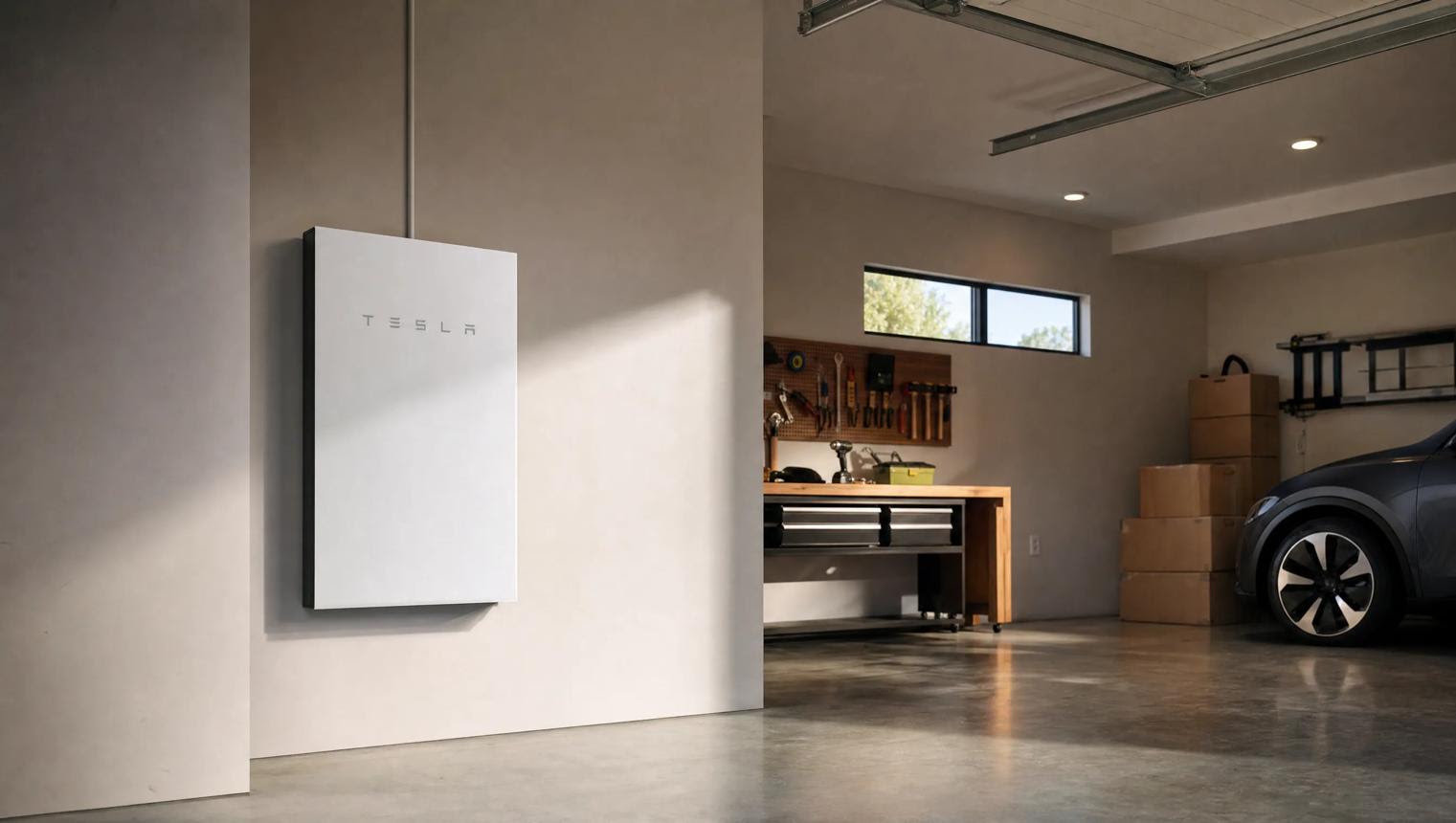
Solar production and household electricity use do not always happen at the same time.
Panels commonly produce strongly during daylight hours, while many households continue using substantial electricity after sunset.
Battery storage can store some available daytime solar production for later use.
Battery Storage May Help Homeowners
- use more rooftop solar inside the home
- reduce selected evening grid purchases
- manage Time-of-Use electricity pricing
- provide backup power during qualifying outages
- coordinate solar production with household demand
Backup capability depends on battery capacity, inverter power, electrical configuration, available stored energy and the loads selected for backup.
NationPro USA's home battery storage guide explains how solar and storage can work together.
7. Replace Inefficient Appliances and Reduce Everyday Energy Waste
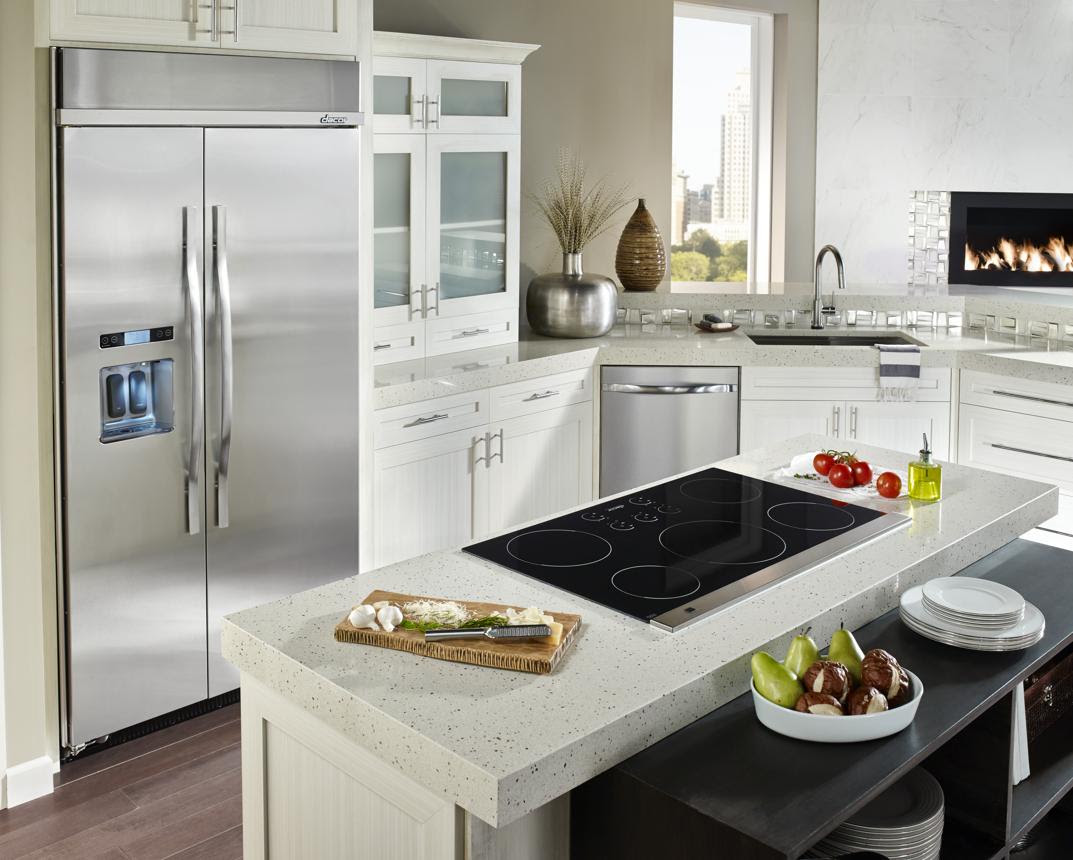
Air conditioning is only one part of household electricity consumption.
Refrigerators, dryers, water heaters, cooking equipment, lighting, electronics and other devices all contribute to the utility bill.
When existing equipment reaches replacement age, homeowners can compare ENERGY STAR-certified or otherwise high-efficiency alternatives where appropriate.
Other practical steps can include:
- replacing older lighting with LED bulbs
- reducing unnecessary standby power
- using smart power strips where useful
- running flexible electrical loads during lower-cost periods
- running selected appliances during solar-production hours where practical
- monitoring unusual increases in electricity consumption
For homes with rooftop solar, shifting flexible loads into daylight hours can increase direct use of the electricity generated on the roof.
8. Start With a Whole-Home Energy Assessment
Every house uses energy differently.
A recently built home with efficient HVAC and strong insulation may have very different priorities from an older property with leaky ductwork, an aging air conditioner and inadequate attic insulation.
A home energy assessment can help identify where energy is being used and where improvements may produce the best result.
A review may include:
- historical electricity use
- HVAC age and condition
- ductwork
- air leakage
- attic insulation
- windows and shading
- appliances
- roof condition
- solar potential
- future EV or heat-pump loads
- battery goals
The U.S. Department of Energy describes a home energy assessment as a useful first step for finding energy waste and identifying upgrades suited to the property.
The NationPro USA Home Energy Approach
Homeowners do not need to complete every project at the same time.
A better approach is to put improvements in the right order.
Reduce Energy Demand
Address unnecessary energy use through HVAC maintenance, insulation, air sealing, better controls and efficient equipment.
Generate Electricity
Size rooftop solar around realistic electricity consumption and planned future electrical loads.
Store and Manage Energy
Add battery storage where it supports evening use, peak-rate management, solar self-consumption or outage backup.
Small changes can start with air filters, thermostat schedules, lighting and minor air sealing.
Larger projects may include replacing an aging HVAC system, improving insulation, switching to a heat pump, installing solar or adding battery storage.
The goal is to reduce unnecessary consumption first, then design energy equipment around the home's actual needs.
NationPro USA also covers the broader role of solar and storage in its home energy control guide .
Monitor the Home After the Upgrades Are Installed
Energy planning should not stop once new equipment is installed.
Utility bills, thermostat history, solar production data and battery monitoring can help homeowners see how their systems are operating over time.
A sudden change in solar production or household electricity use can point to something worth checking.
NationPro USA explains solar production tracking in its guide to solar monitoring and production problems .
Why This Approach Matters for California Homeowners
California homeowners continue to face high electricity costs, Time-of-Use pricing and long periods of warm-weather cooling demand.
Reducing electricity waste can lower the amount of energy a household needs before solar or storage is added.
Solar can then supply part of the remaining demand, while battery storage can help move some of that electricity into later hours.
NationPro USA's guide to California electricity costs provides additional background on why home energy planning has become increasingly relevant for California households.
Home Energy Efficiency FAQs
How can I make my California home more energy efficient?
Start by reviewing HVAC performance, insulation, air leakage, ductwork, thermostat settings, appliances and electricity usage. Larger projects may include a high-efficiency heat pump, rooftop solar and battery storage.
Should I make my home more efficient before installing solar?
It can make sense to address avoidable energy waste before final solar sizing. Lower household consumption may reduce the solar capacity needed to meet the homeowner's energy goals.
Can sealing air ducts reduce energy use?
Yes. Leaky ducts can lose conditioned air into unconditioned areas. DOE building-efficiency guidance says properly sealing duct systems can improve heating and cooling efficiency by up to about 20% in some homes.
Do smart thermostats actually save energy?
ENERGY STAR reports that certified smart thermostats save about 8% on heating and cooling bills on average. Actual results depend on climate, HVAC equipment, occupancy and thermostat settings.
What are SEER2 and HSPF2?
SEER2 is a seasonal cooling-efficiency rating used for air conditioners and heat pumps. HSPF2 measures seasonal heating efficiency for heat pumps. These ratings help homeowners compare equipment efficiency under standardized testing.
Can rooftop solar power a heat pump?
Solar electricity can help serve the electrical demand created by a heat pump when solar production and household usage overlap. A homeowner planning to install both should include the heat pump's expected electricity use when sizing the solar system.
Does battery storage make a home more energy efficient?
A battery does not reduce the amount of electricity an appliance needs to operate. Instead, it changes when stored electricity is available and can help a household use more of its own solar production, manage selected Time-of-Use periods and provide backup power.
What is a home energy assessment?
A home energy assessment reviews how a property uses energy and looks for areas such as air leakage, insulation, HVAC performance and other sources of waste. The findings can help homeowners decide which upgrades to address first.
Build a Smarter Home Energy Plan
NationPro USA can review your electricity usage, HVAC needs, roof, solar potential and battery goals so you can compare home energy upgrades around the way your property actually uses electricity.
Get My Free Home Energy Assessment