


Introduction
Your HVAC system runs year-round — heating, cooling, and circulating air to keep your home comfortable. But without regular care, even the best system will start losing efficiency, costing you more in energy and repairs.
The key to lower bills and longer equipment life is simple: seasonal HVAC maintenance. By giving your system the right attention each season, you can keep it running efficiently and avoid surprise breakdowns.
Here are the top 10 HVAC maintenance tips for every season to help you stay comfortable and save money all year long.
Replace or Clean Air Filters Regularly
Why it matters
Your air filter traps dust, pollen, and debris from circulating through your home. When it gets clogged, your HVAC system has to work harder, consuming more energy and wearing out faster.
Recommended schedule:
Replace disposable filters every 1–3 months
Wash reusable filters monthly
This small step alone can improve airflow, reduce strain on your system, and boost efficiency by up to 15%.
Clean the Outdoor Condenser Unit
Seasonal importance
The outdoor unit (condenser) collects dirt, leaves, and debris — especially after winter and spring storms. Restricted airflow causes your system to overheat and reduces cooling capacity.
Maintenance tip:
Turn off power to the unit
Remove debris from around the base
Rinse fins gently with a garden hose
Keep at least 2 feet of clear space around it year-round
Schedule Professional Tune-Ups Twice a Year
Spring and fall inspections
An HVAC professional can catch problems early — before they turn into expensive repairs. Schedule:
Spring tune-up for air conditioning
Fall tune-up for heating
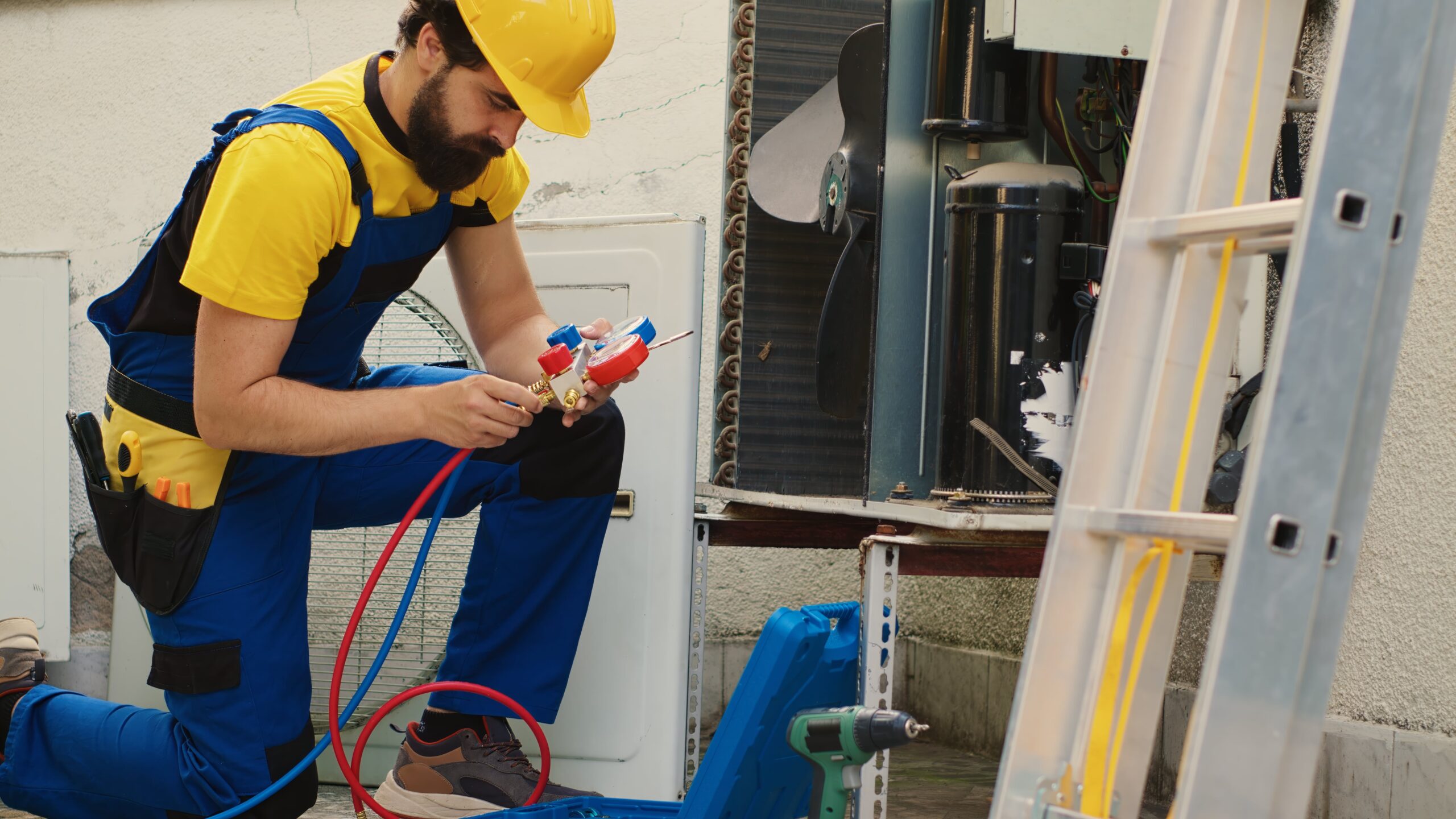
During a tune-up, technicians inspect wiring, test refrigerant levels, clean coils, lubricate moving parts, and check airflow. Regular service keeps your unit in top shape and often extends warranties.
Seal Leaks and Insulate Ductwork
Why ducts matter
Leaky ducts waste up to 30% of heated or cooled air, meaning you’re paying for comfort that never reaches your rooms.
What to do:
Inspect ducts in attics or basements for holes or loose joints
Seal leaks with mastic sealant or metal tape (not duct tape)
Add insulation to exposed ducts
This improves efficiency and keeps air temperature consistent throughout your home.
Keep Vents and Registers Clean
Easy but overlooked
Blocked or dusty vents reduce airflow, making your system run longer to reach the same temperature.
Quick steps:
Vacuum registers regularly
Remove furniture or rugs blocking airflow
Check for signs of mold or excess dust buildup
Good airflow means your system doesn’t waste energy pushing air through obstructions.
Check Thermostat Settings and Batteries
Optimize performance
Your thermostat controls how hard your HVAC works. Set it efficiently for each season:
Summer: 76–78°F when home; 80°F when away
Winter: 68°F when home; lower when away
If you have a smart thermostat, program schedules or use occupancy sensors to save automatically. Replace batteries once a year and check for software updates.
Protect Your System During Extreme Weather
Storm season precautions
During heavy rain, snow, or windstorms, protect your outdoor unit with a cover designed for HVAC systems (not plastic tarps, which trap moisture).
In winter:
Clear snow and ice from around the unit
Inspect for rodent nests or blockages
In summer:
Provide shade to reduce heat exposure
Ensure proper drainage to avoid water buildup

Monitor Unusual Sounds or Smells
Warning signs to act on
Your HVAC shouldn’t make strange noises or odors. These can signal issues like:
Grinding or squealing → motor or belt problem
Musty smell → mold in ducts
Burning smell → electrical fault
Ignoring early signs can lead to major breakdowns later. Contact NationPro USA or your local HVAC technician at the first sign of trouble.
Improve Home Insulation and Sealing
Why it supports HVAC performance
Even the best HVAC can’t save energy if your home leaks air. Proper insulation reduces workload, stabilizes indoor temperature, and prevents energy waste.
Check these areas:
Attic and crawl space insulation
Window and door weather stripping
Fireplace dampers and attic hatches
Improving insulation can lower your heating and cooling costs by up to 20%.
Plan Seasonal Maintenance Year-Round
Yearly schedule summary
| Season | Maintenance Focus | Actions |
|---|---|---|
| Spring | AC prep | Replace filters, clean condenser, schedule tune-up |
| Summer | System monitoring | Keep vents clear, track thermostat, clean coils |
| Fall | Heating prep | Inspect furnace, check ducts, replace filters |
| Winter | System protection | Clear snow, inspect insulation, monitor for drafts |
Consistency is key — skipping a season can shorten your system’s lifespan and spike your energy bills.

Bonus Tip — Sign Up for a Maintenance Plan
Simplify your upkeep
If you’d rather not remember all these details, join an annual maintenance plan through NationPro USA. Our plans include:
Two seasonal tune-ups per year
Filter replacements
Priority scheduling for service calls
Discounted repairs and parts
Regular maintenance plans save you time and money — and ensure your system is always ready when you need it most.
Why Homeowners Trust NationPro USA
At NationPro USA, we help homeowners upgrade, maintain, and protect their HVAC systems with smart, energy-efficient solutions.
Our certified technicians use advanced diagnostic tools to inspect your equipment, optimize performance, and catch problems before they start. From tune-ups to complete system replacements, we make comfort simple and affordable.
Conclusion
Your HVAC system doesn’t just heat and cool your home — it maintains your comfort, air quality, and energy efficiency. Taking care of it season after season ensures lower bills, fewer repairs, and a longer system lifespan.
With these 10 simple tips (and the help of trusted professionals like NationPro USA), you can keep your HVAC system running smoothly year-round — no matter the season.