

Introduction
Heating and cooling your home accounts for nearly half of your energy bills. If your HVAC system is older, running inefficiently, or working overtime to keep your home comfortable, you could be paying hundreds more every year than you need to.
The good news? Modern HVAC systems are smarter, cleaner, and far more efficient. In 2025, upgrading your heating and cooling system — or simply improving the way it operates — can drastically reduce your energy costs while making your home more comfortable.
In this guide, we’ll explain how to lower your monthly utility bills by improving HVAC efficiency, choosing the right equipment, and maintaining your system properly.
Why HVAC Efficiency Matters
The cost of inefficiency
An outdated or poorly maintained HVAC system wastes energy — plain and simple. Over time, components wear down, filters clog, and thermostats drift out of calibration. The system ends up running longer and harder just to maintain basic comfort.
According to the U.S. Department of Energy, upgrading to a high-efficiency HVAC system can cut heating and cooling costs by 20–40%. That’s hundreds of dollars in annual savings.
Environmental impact
An efficient HVAC system doesn’t just lower your bills — it also reduces your carbon footprint. The less energy your home consumes, the fewer fossil fuels are burned to power it. That’s better for your wallet and the planet.
Step 1 — Start with an Energy Audit
Before making changes, find out where your home is losing energy. Many utilities offer free or discounted home energy audits that evaluate insulation, air leaks, and HVAC performance.
What an energy audit includes
Inspection of ductwork and insulation
Testing for air leaks and temperature imbalances
Assessment of HVAC efficiency and thermostat performance
Recommendations for upgrades or sealing
Pro Tip: NationPro USA partners with energy experts to provide accurate HVAC assessments before recommending upgrades.
Step 2 — Upgrade to an Energy-Efficient HVAC System
Replace outdated units
If your system is 15 years or older, it’s likely costing you far more in electricity and repairs than it should. Modern HVAC systems use advanced compressors, variable-speed motors, and smart controls to minimize energy waste.
Look for high SEER and ENERGY STAR® ratings
When shopping for a new unit, focus on efficiency ratings:
SEER2 (Seasonal Energy Efficiency Ratio): Measures cooling efficiency. The higher the number, the better.
Minimum standard in 2025: 14.3 SEER2 in most U.S. regions
AFUE (Annual Fuel Utilization Efficiency): Measures furnace efficiency. Look for 90% or higher for gas furnaces.
ENERGY STAR® certification: Guarantees your system meets or exceeds federal efficiency standards.
Choose the right system size
Bigger isn’t always better. Oversized systems short-cycle (turn on and off too frequently), wasting energy and wearing out faster. Undersized systems run constantly, struggling to maintain temperature.
A professional load calculation ensures your new HVAC unit is sized perfectly for your home’s layout and insulation levels.
Step 3 — Pair Your HVAC with Smart Technology
Install a smart thermostat
Smart thermostats automatically adjust heating and cooling based on your schedule, weather, and even room occupancy. Popular models can save up to 10–15% on annual HVAC costs.
Smart features include:
Learning your temperature preferences
Monitoring humidity and air quality
Controlling from your phone while away
Integrating with solar power systems for optimized usage
Use zoning and sensors
Zoned HVAC systems divide your home into temperature zones, so you only heat or cool the spaces you use. Adding room sensors prevents energy waste in empty areas.
Integrate solar energy
If you already have or plan to add solar panels, your HVAC can run largely on self-generated clean power, reducing your electricity bills even more.
Step 4 — Improve Home Insulation and Airflow
Seal the leaks
Even the best HVAC system can’t perform efficiently if your home leaks air. Check around:
Windows and doors for drafts
Attic insulation for gaps
Ductwork for holes or loose connections
Air leaks make your system work harder and longer to maintain temperature.
Add insulation where needed
Insulated walls, attics, and floors keep conditioned air inside. Proper insulation can reduce heating and cooling demand by 15–20%.
Keep vents clear
Blocked vents and registers disrupt airflow, forcing your system to work harder. Make sure furniture or rugs aren’t covering them.
Step 5 — Maintain Your HVAC System Year-Round
Regular maintenance schedule
A little routine care goes a long way toward keeping your system efficient.
Maintenance checklist:
Change filters every 1–3 months
Clean outdoor condenser units
Check refrigerant levels
Inspect and tighten ductwork
Schedule professional tune-ups twice a year (spring and fall)
Why professional service matters
Professional technicians test airflow, clean coils, lubricate motors, and check electrical connections — things most homeowners can’t do on their own. Regular service helps prevent breakdowns and maintain efficiency.
NationPro USA partners with certified HVAC professionals who can keep your system running at peak performance.
Step 6 — Take Advantage of 2025 Energy Incentives
Federal incentives
Homeowners can claim the Energy Efficient Home Improvement Credit, which covers up to 30% of qualified HVAC installation costs, capped at $600 per unit or $2,000 annually for heat pumps.
State and utility rebates
Many states and local utilities offer rebates for high-efficiency air conditioners, furnaces, and heat pumps. Combined with the federal credit, you can save thousands on an upgrade.
Check your state’s programs through DSIRE or contact NationPro USA to find available HVAC rebates in your area.
Step 7 — Monitor and Adjust Your Usage
Track your energy consumption
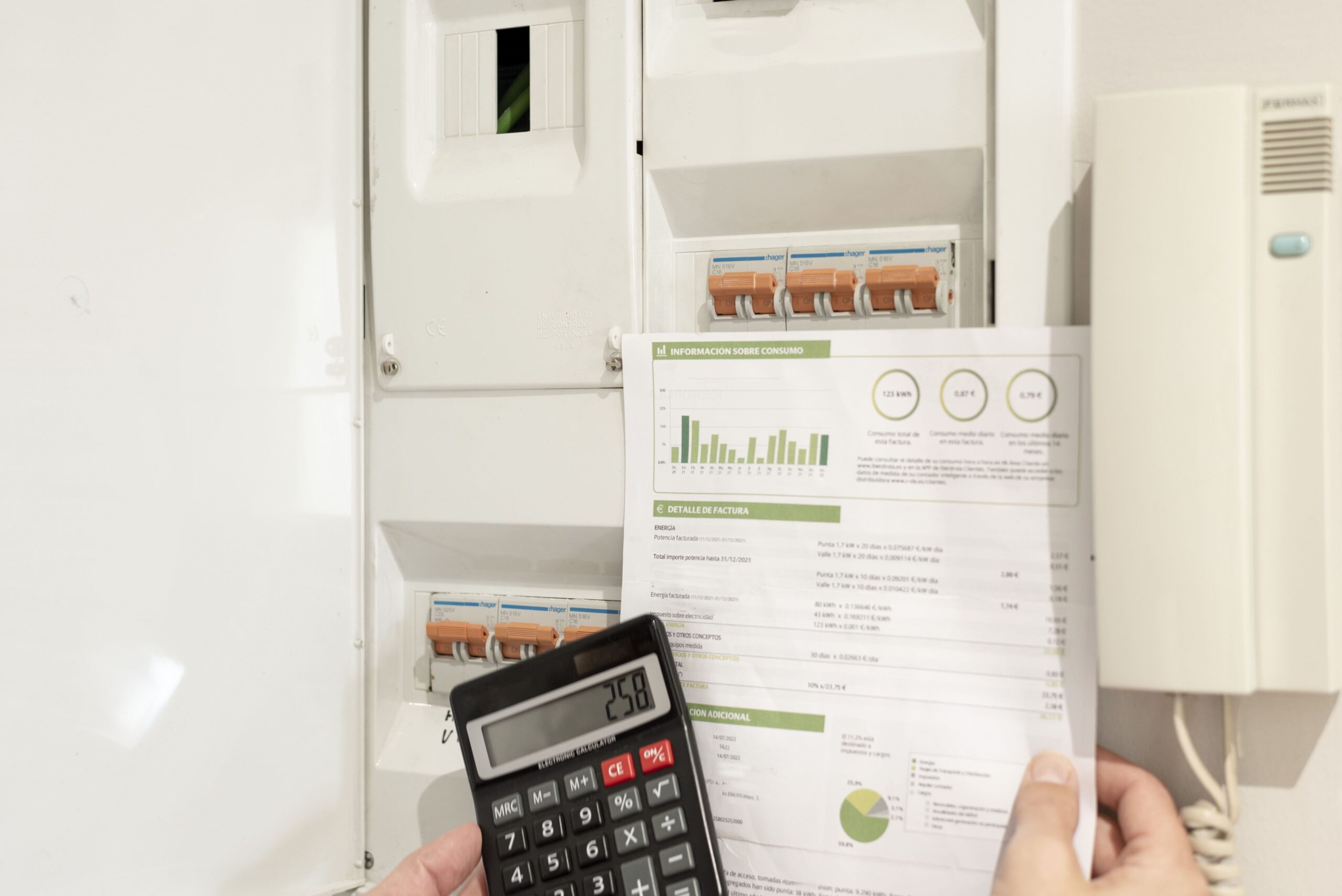
Use your utility provider’s online dashboard or your smart thermostat app to compare monthly energy usage. Look for spikes that might indicate performance issues.
Seasonal adjustments
Summer: Raise thermostat a few degrees when away.
Winter: Lower it slightly overnight or while at work.
Year-round: Use ceiling fans to circulate air — they help maintain comfort without extra HVAC strain.
Combine strategies
Efficiency isn’t about one big change — it’s the combination of small, consistent habits. Together, they add up to big savings over time.
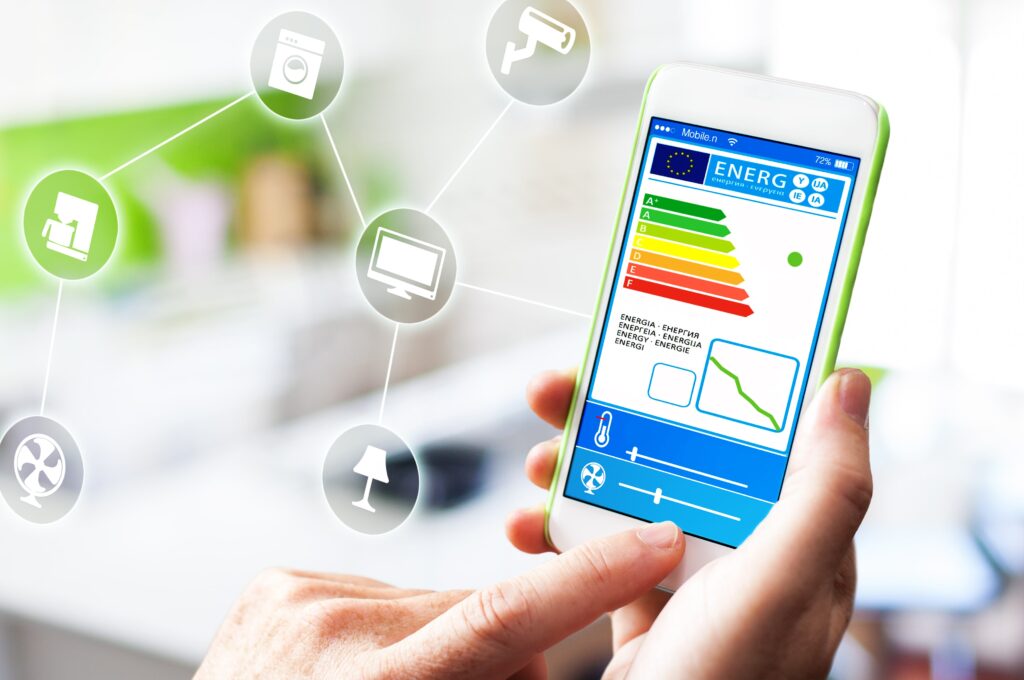
Realistic Savings: What You Can Expect
| Upgrade Type | Estimated Energy Bill Savings |
|---|---|
| Replacing an old HVAC system with ENERGY STAR® model | 20–40% |
| Adding a smart thermostat | 10–15% |
| Improving insulation and sealing air leaks | 15–20% |
| Regular maintenance and tune-ups | 5–10% |
Combined, these improvements can cut your energy bills by up to 50%, depending on your home and local climate.
Why Homeowners Choose NationPro USA
At NationPro USA, we believe efficiency starts with smarter systems. Our process combines modern HVAC technology with local expertise, ensuring every installation or upgrade delivers real savings.
We use advanced diagnostic tools to assess performance, design customized solutions, and handle the entire process — from installation to incentive paperwork.
When you upgrade your HVAC system with NationPro USA, you get:
Energy-efficient heating and cooling systems
Access to federal and state rebates
Professional installation by licensed experts
Long-term warranties and maintenance options
Your comfort shouldn’t cost you more than it should — and with NationPro USA, it doesn’t.
Conclusion
Cutting energy bills doesn’t have to mean sacrificing comfort. By upgrading to an efficient HVAC system, sealing leaks, and maintaining your equipment, you can enjoy a cooler summer, a warmer winter, and lower utility costs all year long.
Whether you’re ready for a complete HVAC replacement or just want a professional inspection, NationPro USA is here to help you find the smartest, most efficient solution for your home.